
26 August 2026 · 9 min read
Gentle Yoga: A Beginner-Friendly Guide
By Pure Lifestyle Yoga. Reviewed by Harshita Raghav, Yoga Teacher, breathwork and meditation.
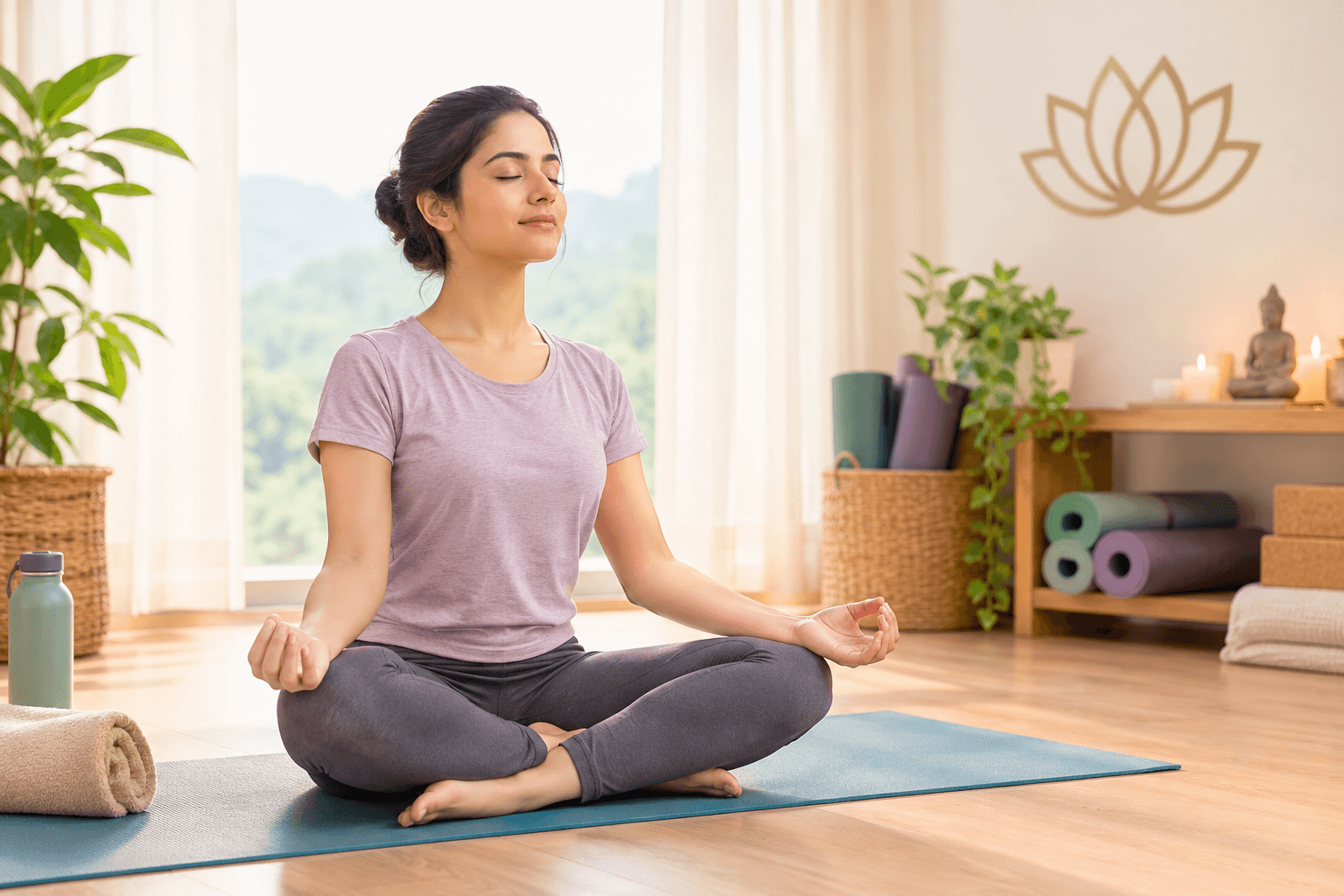
Gentle Yoga is a wonderful way to introduce your body and mind to the benefits of yoga without putting too much pressure on yourself. Whether you are a complete beginner, returning to exercise after a long break, or simply looking for a calmer approach to fitness, gentle yoga offers an accessible way to improve flexibility, support mobility, and encourage relaxation.
Unlike intense yoga styles that involve challenging poses and fast-paced movements, gentle yoga focuses on slow transitions, mindful breathing, and comfortable stretches. It allows you to move at your own pace while developing a deeper connection between your body and mind.
In this guide, we will explore what gentle yoga is, its benefits, beginner-friendly poses, and how you can make it part of your daily wellness routine.
What Is Gentle Yoga?
Gentle yoga is a low-intensity style of yoga that emphasizes slow movements, comfortable postures, controlled breathing, and relaxation. It is designed to help people explore movement without feeling rushed or pressured to achieve complicated poses.
A typical gentle yoga session may include seated stretches, standing postures, simple balance exercises, and relaxation techniques. Props such as yoga blocks, cushions, blankets, and chairs can make poses more comfortable and accessible.
The main goal of gentle yoga is not to push your limits but to move with awareness, comfort, and consistency.
Gentle yoga can be adapted to different fitness levels and individual needs, making it a useful starting point for people who want to develop a sustainable yoga practice.
Benefits of Gentle Yoga for Beginners
Practising gentle yoga regularly may support several aspects of physical and mental wellness.
1. Improves Flexibility and Mobility
Gentle stretching helps you explore your comfortable range of motion. Regular practice may gradually improve flexibility in areas such as the shoulders, hips, back, and legs.
Simple movements encourage you to become more aware of stiffness and tension without forcing your body into uncomfortable positions.
2. Encourages Relaxation and Stress Management
Slow movements combined with mindful breathing can help create a calmer atmosphere. Taking time away from daily responsibilities to focus on your breath may support relaxation and emotional well-being.
Gentle yoga can become a valuable part of a balanced self-care routine, particularly when practised consistently.
3. Supports Better Body Awareness
Gentle yoga encourages you to notice your posture, breathing patterns, and physical sensations. This awareness can help you understand when your body needs rest, movement, or a modification to a particular pose.
Over time, this mindful approach can make everyday movements feel more intentional.
4. Helps Develop Balance and Stability
Beginner-friendly yoga poses encourage controlled movement and awareness of body alignment. With regular practice, suitable exercises may help improve balance, coordination, and stability.
You can use a wall or sturdy chair for support whenever needed.
5. Promotes a Mindful Daily Routine
Gentle yoga does not require an intense workout or a long session. Even a short practice can provide an opportunity to pause, breathe, and reconnect with yourself.
Starting with 10–15 minutes a day can help you build a realistic and consistent wellness habit.
5 Gentle Yoga Poses for Beginners
If you are new to yoga, start with simple poses and focus on comfortable breathing rather than achieving a perfect shape.
1. Child's Pose (Balasana)
Child's Pose is a restful posture that gently stretches the back, hips, and thighs.
How to practise:
Begin on your hands and knees.
Slowly move your hips towards your heels as far as comfortable.
Rest your forehead on a cushion or yoga block if needed.
Extend your arms forward or keep them relaxed beside your body.
Breathe naturally for several comfortable breaths.
Beginner tip: Place a folded blanket beneath your knees or between your thighs and calves for additional comfort. Avoid this position if it aggravates your knees.
2. Cat-Cow Pose (Marjaryasana-Bitilasana)
Cat-Cow is a gentle movement that encourages spinal mobility and coordination with breathing.
How to practise:
Start on your hands and knees, with your hands beneath your shoulders.
Inhale and gently lift your chest while allowing your back to move into a comfortable arch.
Exhale and round your spine gently, drawing your chin slightly towards your chest.
Continue slowly for five to eight comfortable repetitions.
Beginner tip: Keep the movements small and controlled. Avoid forcing your neck or lower back.
3. Seated Forward Bend (Paschimottanasana Variation)
A modified seated forward bend offers a gentle way to stretch the back of the legs while practising mindful movement.
How to practise:
Sit on a folded blanket with your legs extended comfortably.
Keep your knees slightly bent if needed.
Inhale and lengthen your spine.
Exhale and hinge forward gently from your hips, stopping where the stretch feels comfortable.
Rest your hands on your thighs or shins.
Beginner tip: You do not need to touch your toes. Avoid rounding your back excessively or pulling yourself deeper into the stretch.
4. Mountain Pose (Tadasana)
Mountain Pose is a simple standing posture that helps you practise alignment, grounding, and body awareness.
How to practise:
Stand with your feet hip-width apart or in a comfortable position.
Distribute your weight evenly across both feet.
Relax your shoulders and keep your spine naturally upright.
Let your arms rest beside your body.
Breathe slowly and notice how you feel standing still.
Beginner tip: Stand near a wall or sturdy chair if you need additional balance support.
5. Legs-Up-the-Wall Pose (Viparita Karani Variation)
This restorative pose can provide a calming end to your gentle yoga practice.
How to practise:
Sit sideways next to a wall.
Carefully lower yourself onto your back and bring your legs up against the wall, only if comfortable.
Keep your arms relaxed beside your body.
Breathe naturally and remain in the position for a few minutes if it feels comfortable.
Beginner tip: Move away from the wall if your hamstrings feel strained. Skip this pose if it causes discomfort or is unsuitable for your medical circumstances.
How to Start a Gentle Yoga Practice at Home
You do not need an elaborate setup to begin practising gentle yoga. A quiet space, a yoga mat, and comfortable clothing are usually enough.
Follow these simple steps to get started:
Step 1: Choose a comfortable space. Find a quiet area where you can move without distractions.
Step 2: Begin with breathing. Sit or stand comfortably and take a few natural, unhurried breaths.
Step 3: Warm up slowly. Try shoulder rolls, gentle neck movements, and easy seated stretches.
Step 4: Practise beginner poses. Choose two to five simple poses and move at a pace that feels manageable.
Step 5: Finish with relaxation. Spend a few minutes sitting or lying comfortably while allowing your breathing to settle.
Start with 10–15 minutes per session and gradually increase the duration if your body responds well.
Gentle Yoga vs. Other Yoga Styles
Gentle yoga differs from more physically demanding styles mainly in its pace, intensity, and emphasis on comfort.
Gentle Yoga: Focuses on slow movement, accessible postures, mindful breathing, and relaxation.
Hatha Yoga: Often combines physical postures and breathing exercises at a steady pace, although intensity varies by class.
Vinyasa Yoga: Usually links poses with breath in a flowing sequence and may involve more continuous movement.
Restorative Yoga: Emphasizes deep rest through supported poses, often using props for extended periods.
There is no single yoga style that suits everyone. The right choice depends on your comfort, goals, experience, and individual needs.
Common Mistakes to Avoid in Gentle Yoga
Gentle yoga should feel manageable, not like a competition. Keep these points in mind:
Forcing stretches: Move only within a comfortable range and avoid pushing through pain.
Holding your breath: Allow your breathing to remain smooth and natural.
Comparing yourself with others: Every body has different needs, mobility, and limitations.
Skipping modifications: Use cushions, blocks, blankets, or a chair whenever they make movement more comfortable.
Expecting instant results: Consistency is generally more helpful than trying to do too much in one session.
Ignoring discomfort: Stop or modify any movement that causes sharp pain, dizziness, numbness, or unusual symptoms.
If you have an injury, a chronic health condition, balance difficulties, or concerns about whether a particular pose is appropriate for you, seek guidance from a qualified healthcare professional or suitably trained yoga instructor.
Who Can Benefit from Gentle Yoga?
Gentle yoga may be suitable for people who:
Are new to yoga or exercise.
Prefer slow, low-intensity movement.
Want to develop flexibility and body awareness.
Spend long hours sitting and want to incorporate movement breaks.
Are looking for a calming addition to their wellness routine.
Prefer to modify yoga poses according to their comfort and ability.
However, gentle yoga is not automatically suitable for every medical condition or stage of recovery. Choose appropriate modifications and professional guidance when necessary.
Make Gentle Yoga Part of Your Wellness Journey
Wellness is not always about doing more. Sometimes, it means slowing down, listening to your body, and creating space for movement and rest.
Gentle yoga offers an approachable way to explore flexibility, mindful breathing, and relaxation without the pressure of complicated poses. By starting with simple movements and practising consistently, you can build a routine that supports your personal wellness goals.
At Pure Lifestyle Yoga, the journey towards well-being can begin with small, mindful steps. Give yourself permission to start slowly, respect your body's limits, and discover a more balanced approach to movement.
Ready to begin your yoga journey? Explore beginner-friendly yoga sessions and find a practice that fits your lifestyle, comfort, and wellness goals.
Frequently Asked Questions (FAQs)
1. Is gentle yoga suitable for complete beginners?
Yes. Gentle yoga is generally beginner-friendly because it emphasizes simple movements, slower pacing, and modifications. Beginners should choose poses that feel comfortable and seek guidance when needed.
2. How long should a beginner practise gentle yoga?
Beginners can start with 10–15 minutes per session and gradually increase the duration according to their comfort and ability.
3. Can gentle yoga help reduce stress?
Gentle yoga combines mindful movement and breathing, which may support relaxation and stress management as part of a broader self-care routine.
4. Can I practise gentle yoga every day?
Many people can practise gentle yoga daily if the movements are appropriate for their ability and do not cause discomfort. Alternate with rest or lighter sessions when needed.
5. Do I need to be flexible to start gentle yoga?
No. You do not need to be flexible before starting yoga. Gentle yoga allows you to work within your current range of motion and progress gradually.
6. What equipment do I need for gentle yoga?
A yoga mat and comfortable clothing are usually sufficient. Cushions, folded blankets, yoga blocks, and a sturdy chair can provide additional support.
Final Thoughts
Gentle yoga is a reminder that movement can be simple, mindful, and accessible. Whether you want to begin yoga for the first time or introduce more relaxation into your daily routine, a gentle approach can help you move with greater awareness and confidence.
Start small, breathe naturally, and let your practice develop at your own pace.
Disclaimer: This article is for general educational and wellness purposes only. It is not a substitute for individualized medical advice.
This article is general information about yoga practice, not medical advice. If you have a health condition or an injury, or you are pregnant, please speak to your doctor before beginning and tell your teacher.
Would you like a teacher to guide you? See private yoga for beginners with Pure Lifestyle Yoga.
Enjoy writing like this?
Considered pieces on practice and wellbeing — never a marketing blast.