

13 August 2026 · 7 min read
Yoga for Beginners: Complete Guide to Starting Your Yoga Journey
By pure Lifestyle Yoga
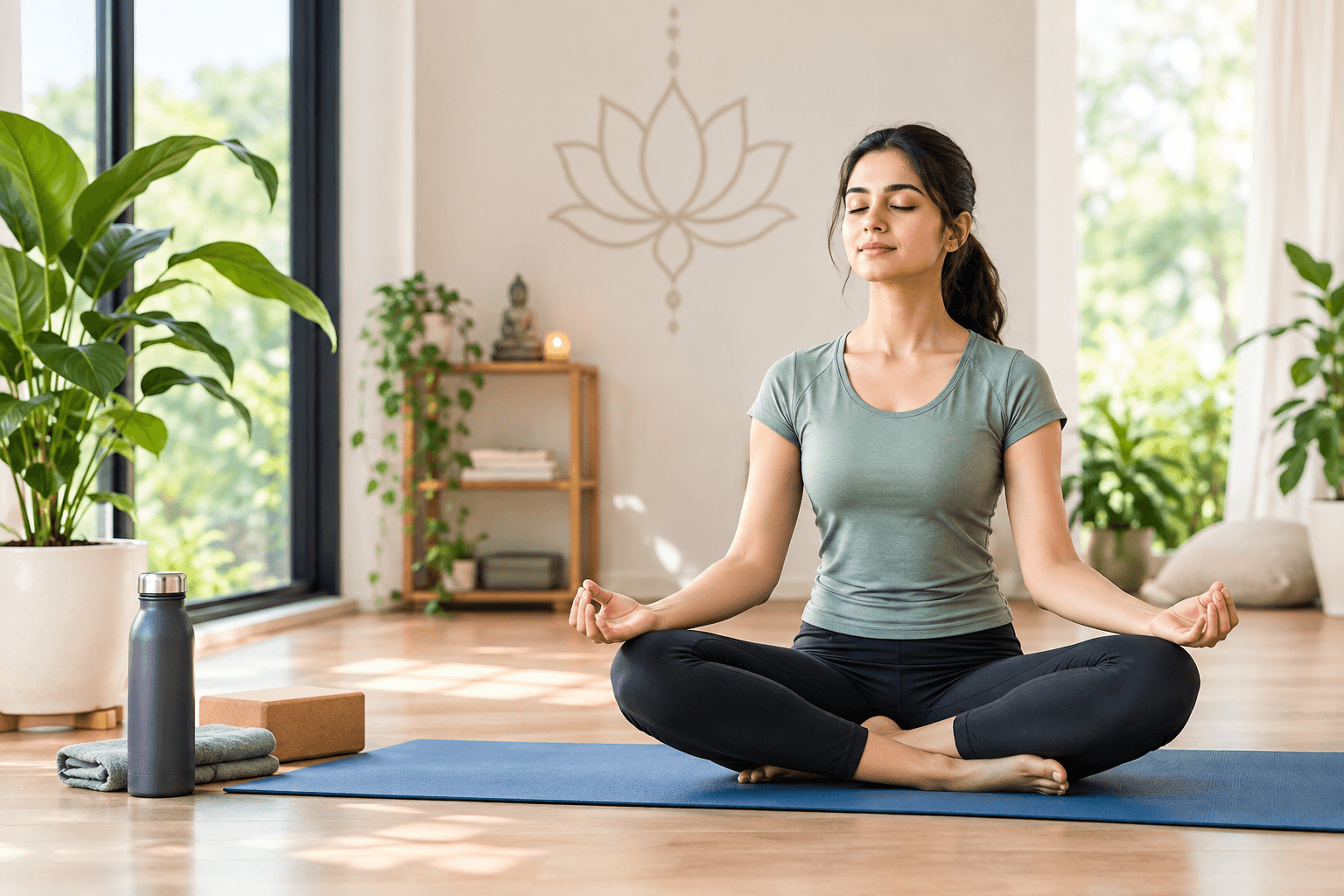
What Is Yoga?
Yoga is an ancient practice that combines physical postures, breathing exercises, mindfulness, and relaxation. The word "yoga" comes from the Sanskrit word Yuj, which means to join or unite.
Today, yoga has become a popular part of a healthy lifestyle around the world. People practice yoga for different reasons. Some want to improve flexibility and strength, while others use it as a way to relax, improve focus, or develop a more mindful daily routine.
The best part is that you do not need to be flexible or experienced to begin. Yoga for beginners can be simple, gentle, and comfortable.
Why Should Beginners Start Yoga?
Starting yoga does not mean you need to spend hours on a yoga mat. Even a short and regular practice can become a positive part of your daily lifestyle.
Here are some common reasons people include yoga in their routine:
1. Helps Improve Flexibility
Many beginner yoga poses involve gentle stretching. With regular practice, you may gradually notice better flexibility and mobility.
Remember, you do not need to touch your toes on your first day. Yoga is about gradual progress rather than forcing your body into a position.
2. Supports Strength and Balance
Yoga uses your body weight to engage different muscles. Poses such as Mountain Pose, Chair Pose, and Warrior Pose can help you develop body awareness, balance, and strength.
3. Encourages Relaxation
Slow movements and controlled breathing can create a relaxing experience. Many people include yoga in their routine after a busy day because it gives them time to slow down and focus on themselves.
4. Improves Mindful Awareness
Yoga encourages you to pay attention to your breathing and body. This can help you become more aware of how you feel physically and mentally during your daily routine.
5. Can Become a Healthy Lifestyle Habit
Yoga can easily fit into different lifestyles. You can practice it at home, outdoors, in a yoga studio, or while travelling.
The goal is not to create a perfect routine overnight. The goal is to develop a routine that you can actually maintain.
What Do You Need to Start Yoga?
One of the biggest advantages of yoga is that you do not need a lot of equipment.
For a basic home yoga practice, you can start with:
- A comfortable yoga mat
- Comfortable clothing
- Enough space to move safely
- A bottle of water
- A quiet and comfortable environment
- Optional yoga blocks or a strap
A yoga mat is useful, but beginners should focus more on comfort and safety than expensive equipment.
7 Easy Yoga Poses for Beginners
If you are just starting, begin with simple poses and learn how your body feels in each position.
1. Mountain Pose – Tadasana
Mountain Pose is one of the simplest standing yoga poses.
Stand with your feet comfortably positioned, keep your spine tall, relax your shoulders, and breathe naturally. Focus on maintaining a balanced posture.
Beginner benefit: It helps you become more aware of your standing posture and balance.
2. Child's Pose – Balasana
Child's Pose is a gentle resting position that many beginners find comfortable.
Kneel on your mat and slowly lower your upper body toward the floor. Extend your arms forward or keep them relaxed beside your body.
Beginner benefit: It can be used as a gentle resting pose during a yoga session.
3. Cat-Cow Pose – Marjaryasana-Bitilasana
Cat-Cow is a simple movement that connects breathing with gentle spinal movement.
Start on your hands and knees. Slowly move between a rounded-back position and a gently lifted chest position while coordinating the movement with your breath.
Beginner benefit: It helps introduce gentle movement to the spine and encourages body awareness.
4. Downward-Facing Dog – Adho Mukha Svanasana
This is one of the most well-known yoga poses.
Start on your hands and knees and gradually lift your hips upward, creating an inverted V shape. Keep your knees slightly bent if that feels more comfortable.
Beginner tip: Do not worry about getting your heels completely onto the floor.
5. Cobra Pose – Bhujangasana
Lie on your stomach with your hands near your shoulders. Slowly lift your chest while keeping the movement comfortable.
Avoid pushing your body too far.
Beginner benefit: It introduces gentle back extension and can be included in a beginner yoga sequence.
A Simple 15-Minute Yoga Routine for Beginners
You do not need a long workout to begin your yoga journey.
Try this simple sequence:
1–2 minutes: Sit quietly and focus on your breathing.
2 minutes: Gentle neck, shoulder, and body movements.
2 minutes: Cat-Cow Pose.
2 minutes: Mountain Pose and gentle standing movements.
3 minutes: Warrior I on both sides.
2 minutes: Downward-Facing Dog or a comfortable alternative.
2 minutes: Child's Pose.
2 minutes: Savasana and relaxed breathing.
Move slowly and comfortably. If something causes pain, stop and adjust the movement.
Common Mistakes Beginners Should Avoid
Starting something new can feel confusing. Avoiding a few common mistakes can make your yoga journey more comfortable.
Trying to Be Perfect
Yoga is not a competition. You do not have to perform every pose perfectly.
Focus on learning and improving gradually.
Comparing Yourself With Others
Everyone's body is different. Someone who has practiced yoga for years may naturally have more flexibility than a beginner.
Instead of comparing yourself with others, focus on your own progress.
Holding Your Breath
Breathing is an important part of yoga. Try to maintain comfortable, natural breathing during your practice.
Doing Too Much Too Soon
More yoga does not always mean better yoga.
Starting with a short routine and gradually increasing your practice can be more sustainable than immediately attempting advanced sessions.
Ignoring Pain
Stretching can feel challenging, but sharp or sudden pain should not be ignored.
Stop the movement and seek appropriate professional guidance if you are concerned about an injury or persistent pain.
How to Make Yoga Part of Your Lifestyle
Yoga becomes more meaningful when it becomes a regular habit rather than something you do occasionally.
Here are a few simple ways to make yoga part of your lifestyle:
Start small: Even 10 minutes is a good starting point.
Choose a regular time: Practicing around the same time can make it easier to build a habit.
Keep your mat ready: Having your yoga mat visible can remind you to practice.
Enjoy the process: You do not have to treat every session like a workout.
Combine yoga with healthy habits: A balanced diet, enough sleep, regular movement, and mindful breaks can complement your yoga practice.
Is Yoga Suitable for Everyone?
Yoga can be adapted to different experience levels and physical abilities, but not every pose is appropriate for every person.
Beginners should start gently and choose movements that feel comfortable. If you have an injury, medical condition, are pregnant, or have specific physical limitations, consider speaking with a qualified healthcare professional or experienced yoga instructor about appropriate modifications.
Yoga should support your well-being, not become a source of unnecessary strain.
Frequently Asked Questions About Yoga for Beginners
Can I start yoga if I am not flexible?
Yes. You do not need to be flexible to begin yoga. Flexibility can gradually improve with regular, comfortable practice.
How long should a beginner practice yoga?
Starting with 10–20 minutes is perfectly reasonable. As you become more comfortable, you can gradually increase your practice time.
Can I do yoga at home?
Yes. Many beginner yoga poses can be practiced safely at home with enough space and suitable guidance.
What is the best time to do yoga?
There is no single best time for everyone. Morning and evening are both popular choices. The best time is one that fits your daily routine and allows you to practice consistently.
Do I need a yoga mat?
A yoga mat can provide comfort and grip, but you do not need expensive equipment to start learning basic yoga.
Can beginners do yoga every day?
Some people practice yoga daily, but beginners can start with a few sessions each week. Your routine should allow your body enough time to recover when needed.
Start Your Yoga Journey One Step at a Time
Starting yoga does not require perfect flexibility, expensive equipment, or years of experience. All you need is a willingness to begin and a little time for yourself.
Start with simple poses, pay attention to your breathing, and allow your practice to develop naturally. Some days may feel energetic, while other days may be better suited to gentle stretching and relaxation. Both are part of the journey.
The real value of yoga is not about how advanced a pose looks. It is about creating a healthier relationship with your body, your breath, and your everyday lifestyle.
Roll out your mat, take a comfortable breath
and begin—one simple step at a time.
Enjoy writing like this?
Considered pieces on practice and wellbeing — never a marketing blast.