

14 August 2026 · 4 min read
Yoga for Weight Loss: Best Poses and Practices
By pure Lifestyle Yoga
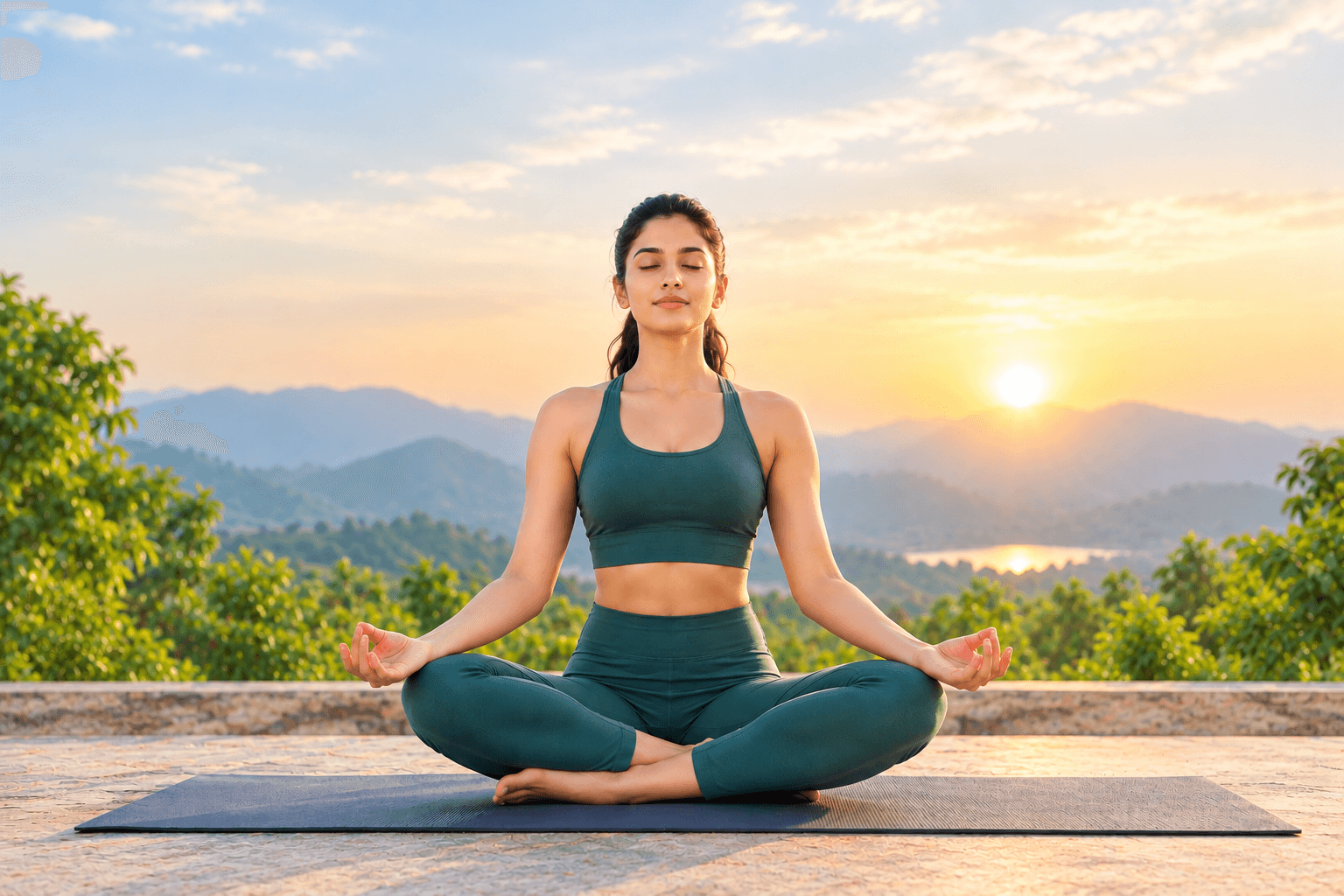
Yoga for Weight Loss: Best Poses and Practices
Introduction
Weight loss is not simply about eating less or spending hours at the gym. A healthy weight-loss journey is about creating a lifestyle that supports your body, mind, and overall well-being.
Yoga can be a valuable part of this lifestyle. Unlike many high-intensity workouts, yoga combines physical movement, controlled breathing, balance, flexibility, and mindfulness. Regular practice can help you become more aware of your body, manage stress, improve mobility, and build strength.
Yoga alone is not a magic solution for weight loss. However, when combined with nutritious food, regular physical activity, good sleep, and consistency, it can support a healthier lifestyle and sustainable weight management.
How Can Yoga Support Weight Loss?
Yoga may support weight management in several ways.
1. Builds Strength and Muscle Tone
Many yoga poses require you to support and control your body weight. Poses such as Plank, Warrior, Chair Pose, and Boat Pose engage multiple muscle groups and can help improve muscular strength and endurance.
2. Encourages Mindful Eating
Stress and emotional habits can sometimes influence eating patterns. Mindfulness practices in yoga can help you become more aware of hunger, fullness, emotions, and eating habits.
3. Supports Stress Management
High levels of stress can make it harder to maintain healthy lifestyle habits. Yoga combines movement and breathing techniques that encourage relaxation and mental awareness.
4. Improves Flexibility and Mobility
Better flexibility can make everyday movement easier and may help you participate more comfortably in other forms of physical activity.
5. Encourages a Healthy Routine
One of the biggest benefits of yoga is consistency. Creating a regular yoga routine can encourage other positive habits, such as staying active, eating mindfully, and getting enough rest.
Best Yoga Poses for Weight Loss
1. Sun Salutation — Surya Namaskar
Surya Namaskar is a sequence of yoga movements performed in a flowing pattern. It works several areas of the body and can increase movement and cardiovascular demand when practiced at an appropriate pace.
How to practice:
Start slowly and focus on proper alignment. Beginners can start with a few comfortable rounds and gradually increase according to their ability.
Benefits:
- Activates multiple muscle groups
- Improves flexibility
- Supports physical endurance
- Creates a full-body movement routine
2. Warrior Pose — Virabhadrasana
Warrior Pose strengthens the legs and engages the core while improving balance and stability.
How to practice:
Step one foot forward, bend the front knee while keeping it aligned with the ankle, extend the arms, and maintain a steady breath.
Benefits:
- Strengthens the legs
- Engages the core
- Improves balance
- Builds endurance
3. Boat Pose — Navasana
Boat Pose focuses strongly on the abdominal and core muscles.
How to practice:
Sit with your knees bent and gradually lift your feet while keeping your chest open. Beginners can keep their knees bent for additional support.
Benefits:
- Strengthens the core
- Improves balance
- Builds abdominal endurance
4. Chair Pose — Utkatasana
Chair Pose resembles sitting into an imaginary chair. It engages the thighs, glutes, and core.
How to practice:
Stand tall, bend your knees, move your hips backward, and raise your arms while keeping your chest lifted.
Benefits:
- Strengthens the lower body
- Engages the core
- Improves stamina
5. Plank Pose — Phalakasana
Plank is a simple but powerful pose for developing full-body strength.
How to practice:
Place your hands underneath your shoulders and extend your legs backward. Keep your body in a comfortable straight line and avoid holding your breath.
Benefits:
- Strengthens the core
- Works the shoulders and arms
- Improves body stability
Breathing Practices for a Healthier Yoga Routine
Yoga is not only about physical poses. Breathing is an important part of the practice.
Slow, controlled breathing can help you stay focused during exercise and create a more mindful connection between movement and body awareness.
Try spending a few minutes practicing slow, comfortable breathing before or after your yoga session.
Simple Lifestyle Tips to Support Your Goal
Yoga works best when it becomes part of a balanced lifestyle.
- Practice yoga consistently rather than occasionally.
- Include vegetables, fruits, whole grains, protein, and healthy fats in your diet.
- Drink enough water throughout the day.
- Add walking or another enjoyable physical activity to your routine.
- Prioritize quality sleep.
- Avoid focusing only on the number on the weighing scale.
- Track improvements in strength, flexibility, energy, and overall well-being.
How Often Should You Practice Yoga?
For beginners, starting with 20–30 minutes, around 3–5 days a week, can be a practical approach. As your body becomes more comfortable, you can gradually increase your practice.
The goal is not to push yourself as hard as possible every day. The goal is to create a routine that you can maintain.
Final Thoughts
Yoga can be a beautiful addition to a weight-management journey because it focuses on much more than burning calories. It encourages strength, flexibility, mindfulness, body awareness, and healthier daily habits.
Remember, healthy weight management takes time. Instead of looking for quick results, focus on creating a lifestyle that makes you feel stronger, more energetic, and more comfortable in your own body.
Start with a few minutes, stay consistent, listen to your body,
and let your yoga practice grow naturally.
Enjoy writing like this?
Considered pieces on practice and wellbeing — never a marketing blast.