
2 September 2026 · 9 min read
Yoga for Hormonal Balance: Poses and Practices
By Pure Lifestyle Yoga. Reviewed by Suman Sangwan, Senior Yoga Instructor, prenatal and postnatal yoga.
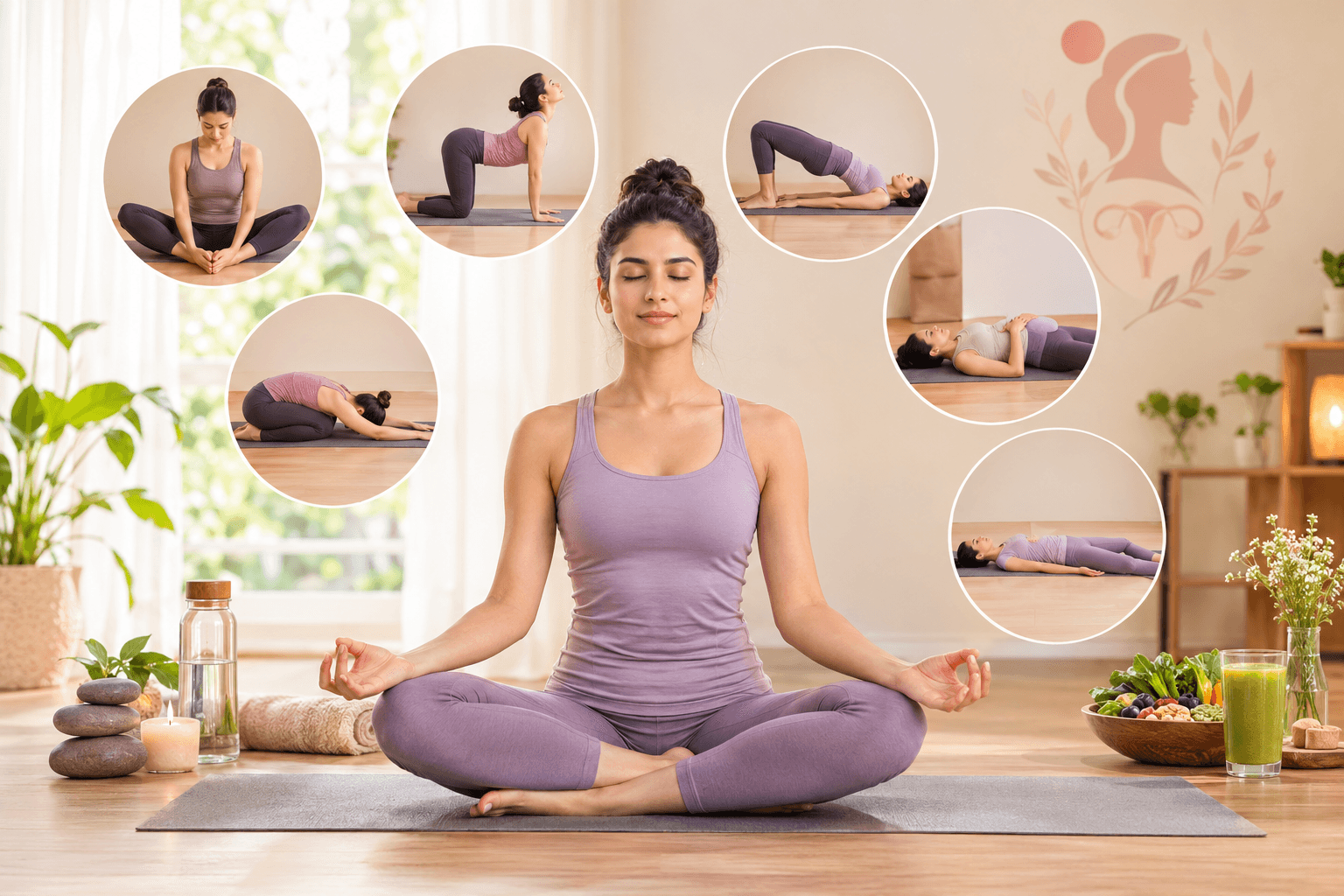
Introduction
Hormones play an essential role in maintaining our overall health. They regulate various bodily functions, including metabolism, sleep, mood, energy levels, reproductive health, and stress responses. When hormones fluctuate or become imbalanced, some people may experience symptoms such as irregular periods, fatigue, mood changes, sleep difficulties, acne, or unexplained weight changes.
While hormonal changes can occur for many reasons, including stress, lifestyle habits, medical conditions, and natural stages of life, yoga may be a helpful complementary practice for supporting overall well-being.
Yoga for hormonal imbalance combines gentle physical movements, breathing exercises, relaxation, and mindfulness. These practices may help manage stress, improve sleep quality, and encourage a healthier mind-body connection.
In this guide, we will explore yoga poses and daily practices that may support hormonal health and help you build a more balanced lifestyle.
How Can Yoga Support Hormonal Health?
Yoga is not a direct cure for hormonal imbalance, but regular practice may support some of the lifestyle factors associated with hormonal well-being.
1. Helps Manage Stress
Chronic stress can affect the body's stress-response system and influence hormonal processes. Gentle yoga, meditation, and controlled breathing may help calm the nervous system and promote relaxation.
2. Supports Better Sleep
Quality sleep is important for normal hormonal regulation. A calming bedtime yoga routine may help you relax, release physical tension, and establish healthier sleep habits.
3. Encourages Physical Activity
Regular physical activity supports metabolic health, cardiovascular fitness, and overall well-being. Yoga can be one way to stay active, especially when combined with walking and other suitable forms of exercise.
4. Promotes Mind-Body Awareness
Mindful movement helps you pay attention to your body's needs, energy levels, and stress signals. This awareness can encourage healthier daily routines and better self-care.
7 Best Yoga Poses for Hormonal Balance
The following poses can form part of a gentle yoga routine. Practise slowly, breathe naturally, and avoid movements that cause pain or discomfort.
1. Bound Angle Pose (Baddha Konasana)
Bound Angle Pose is a gentle seated posture that stretches the inner thighs and encourages an upright, relaxed sitting position.
How to practise:
Sit comfortably on your yoga mat.
Bring the soles of your feet together.
Allow your knees to move gently towards the floor without forcing them.
Hold your feet or ankles and lengthen your spine.
Breathe slowly for 30–60 seconds.
Potential benefits: This pose may improve hip mobility, encourage relaxation, and provide a comfortable position for mindful breathing.
2. Cat-Cow Pose (Marjaryasana-Bitilasana)
Cat-Cow Pose gently moves the spine through flexion and extension, making it a useful warm-up for a gentle yoga session.
How to practise:
Begin on your hands and knees.
Inhale as you gently lift your chest and tailbone.
Exhale as you round your back and draw your chin slightly towards your chest.
Continue slowly for 8–10 comfortable rounds.
Potential benefits: It promotes spinal mobility, coordinates movement with breathing, and may help release tension in the back.
3. Bridge Pose (Setu Bandhasana)
Bridge Pose strengthens the glutes and back of the body while gently opening the front of the hips.
How to practise:
Lie on your back with your knees bent and feet hip-width apart.
Keep your arms beside your body.
Press your feet gently into the mat and lift your hips.
Keep your breathing steady and avoid arching your lower back excessively.
Hold for 15–30 seconds, then lower slowly.
Potential benefits: This pose can support strength, mobility, and physical activity as part of a balanced fitness routine.
4. Legs-Up-the-Wall Pose (Viparita Karani)
Legs-Up-the-Wall is a restorative posture that may be particularly relaxing after a busy day.
How to practise:
Sit sideways next to a wall.
Lie back and gently move your legs up the wall.
Adjust your distance from the wall until you feel comfortable.
Rest your arms by your sides and breathe naturally.
Stay for 3–5 minutes, if comfortable.
Potential benefits: It provides a quiet opportunity to relax and may help reduce the feeling of tiredness in the legs after prolonged standing.
Modification: If this position causes discomfort or you have a medical condition that makes inversions unsuitable, choose a supported lying-down relaxation pose instead.
5. Child's Pose (Balasana)
Child's Pose is a resting posture often included in gentle yoga and relaxation routines.
How to practise:
Kneel on your mat and bring your big toes together.
Separate your knees to a comfortable width.
Slowly fold forward and rest your forehead on a cushion or mat.
Extend your arms forward or place them alongside your body.
Breathe gently for 30–60 seconds.
Potential benefits: It encourages relaxation and may ease feelings of physical tension after a long day.
6. Reclined Bound Angle Pose (Supta Baddha Konasana)
This supported posture combines gentle hip opening with relaxation.
How to practise:
Lie on your back.
Bring the soles of your feet together and allow your knees to open comfortably.
Place cushions under your thighs if needed.
Rest your arms by your sides and breathe slowly.
Remain in the pose for 1–3 minutes.
Potential benefits: It offers a gentle way to relax the body and practise mindful breathing.
7. Corpse Pose (Savasana)
Savasana is a relaxation posture that helps conclude a yoga session.
How to practise:
Lie comfortably on your back.
Let your legs rest naturally apart and place your arms beside your body.
Close your eyes if comfortable.
Relax your muscles and observe your natural breathing.
Remain for 5–10 minutes.
Potential benefits: Savasana can encourage relaxation and provide a peaceful transition back to daily activities.
Breathing Exercises for Hormonal Well-Being
Breathing exercises can complement gentle yoga by helping you manage stress and settle your mind.
1. Diaphragmatic Breathing
Sit or lie in a comfortable position. Place one hand on your abdomen and breathe gently through your nose, allowing your abdomen to expand naturally as you inhale. Exhale slowly without forcing the breath.
Practise for 3–5 minutes.
2. Nadi Shodhana (Alternate Nostril Breathing)
Sit comfortably and breathe slowly through one nostril at a time, alternating sides using a gentle, familiar technique.
Practise for 2–5 minutes without holding your breath or straining.
3. Mindful Breathing
Observe your natural breath without trying to change it. When your attention wanders, gently bring it back to your breathing.
Practise for 2–5 minutes, particularly when feeling overwhelmed.
These techniques may support relaxation, but there is insufficient evidence that a particular breathing exercise directly normalises hormone levels.
A Simple 15-Minute Yoga Routine for Hormonal Balance
If you are new to yoga, begin with a short, comfortable routine rather than an intense daily workout.
PracticeDurationGentle mindful breathing2 minutesCat-Cow Pose2 minutesBound Angle Pose2 minutesBridge Pose2 minutesChild's Pose2 minutesReclined Bound Angle Pose2 minutesSavasana3 minutes
Practise three to five days a week if it feels comfortable, and adjust the routine according to your needs.
Consistency matters more than intensity. You can gradually increase the duration as your flexibility and confidence improve.
Yoga for PCOS and Other Hormonal Concerns
Polycystic ovary syndrome (PCOS), thyroid disorders, menopause, and other conditions can involve hormonal changes, but each condition has different causes and treatment needs.
Yoga may complement a broader health plan by supporting stress management, physical activity, sleep, and general well-being.
For people with PCOS, a sustainable combination of movement, balanced nutrition, sleep, and appropriate medical care may be useful. However, yoga alone has not been established as a treatment for PCOS or as a reliable way to restore regular menstrual cycles.
If you experience persistent irregular periods, severe period pain, unexpected weight changes, unusual hair growth, persistent acne, or ongoing fatigue, consult a qualified healthcare professional. They can assess possible causes and recommend appropriate testing or treatment.
Lifestyle Tips to Support Hormonal Health
Yoga works best as part of a balanced lifestyle. Consider these simple habits:
Prioritise Sleep
Aim for a consistent sleep schedule and create a relaxing bedtime routine.
Eat Balanced Meals
Include a variety of vegetables, fruits, whole grains, protein sources, and healthy fats according to your nutritional needs.
Stay Physically Active
Combine yoga with other enjoyable activities, such as walking, cycling, or strength training, when appropriate.
Manage Everyday Stress
Make time for relaxation, hobbies, social connection, and mindful breathing.
Avoid Self-Medicating
Do not start hormone supplements or stop prescribed medication without consulting your healthcare professional.
Seek Personalised Medical Advice
Hormonal symptoms can have many underlying causes. A qualified professional can help determine whether further evaluation or treatment is necessary.
Safety Tips Before Practising Yoga
Yoga should feel comfortable and manageable. Keep these points in mind:
Start with beginner-friendly poses and use cushions or other supports when needed.
Avoid forcing stretches, holding your breath, or pushing through pain.
Modify or skip any pose that causes dizziness, discomfort, or unusual symptoms.
Consult your healthcare professional before starting a new routine if you are pregnant, recovering from surgery, or managing a medical condition that may affect exercise.
If you have a diagnosed hormonal condition, use yoga as a complementary practice rather than a replacement for prescribed treatment.
Conclusion
Yoga for hormonal imbalance can be a gentle way to support relaxation, physical activity, sleep, and overall well-being. Poses such as Bound Angle Pose, Cat-Cow, Bridge Pose, Child's Pose, and Savasana can help you create a simple and sustainable yoga routine.
Although yoga may support some factors associated with hormonal health, it cannot guarantee hormone balance or replace medical evaluation and treatment.
At Pure Lifestyle Yoga, we believe in building healthy routines through mindful movement, consistent practice, and self-care. Start with a few minutes each day, listen to your body, and allow your yoga practice to develop naturally.
Frequently Asked Questions (FAQs)
1. Which yoga is best for hormonal imbalance?
Gentle practices such as Cat-Cow, Bound Angle Pose, Child's Pose, and Savasana may support relaxation and general well-being. The most appropriate routine depends on your symptoms, fitness level, and health needs.
2. Can yoga balance hormones naturally?
Yoga may support stress management, sleep, and physical activity, which are relevant to overall health. However, evidence that yoga directly balances or normalises hormone levels is limited.
3. How often should I practise yoga for hormonal health?
You can start with 10–15 minutes, three to five days per week, if comfortable. Adjust the frequency and duration to suit your health, schedule, and energy levels.
4. Is yoga helpful for PCOS?
Yoga may help support general well-being and stress management for people with PCOS. It should complement, not replace, appropriate medical care and other recommended lifestyle measures.
5. Can beginners practise yoga for hormonal imbalance?
Yes. Beginners can start with gentle poses, comfortable breathing exercises, and short relaxation sessions. Choose modifications that suit your body and avoid painful movements.
6. When should I consult a doctor about hormonal imbalance?
Consult a healthcare professional if you have persistent irregular periods, unusual fatigue, unexplained weight changes, severe symptoms, or other ongoing concerns. Yoga should not delay medical assessment.
Disclaimer: This article is for educational purposes only and is not a substitute for professional medical advice, diagnosis, or treatment.
This article is general information about yoga practice, not medical advice. If you have a health condition or an injury, or you are pregnant, please speak to your doctor before beginning and tell your teacher.
Would you like a teacher to guide you? See prenatal and postnatal yoga at home with Pure Lifestyle Yoga.
Enjoy writing like this?
Considered pieces on practice and wellbeing — never a marketing blast.