

18 July 2026 · 5 min read
Rebuilding After Surgery: How We Design Post-Operative Yoga Plans
By Pure Lifestyle Yoga
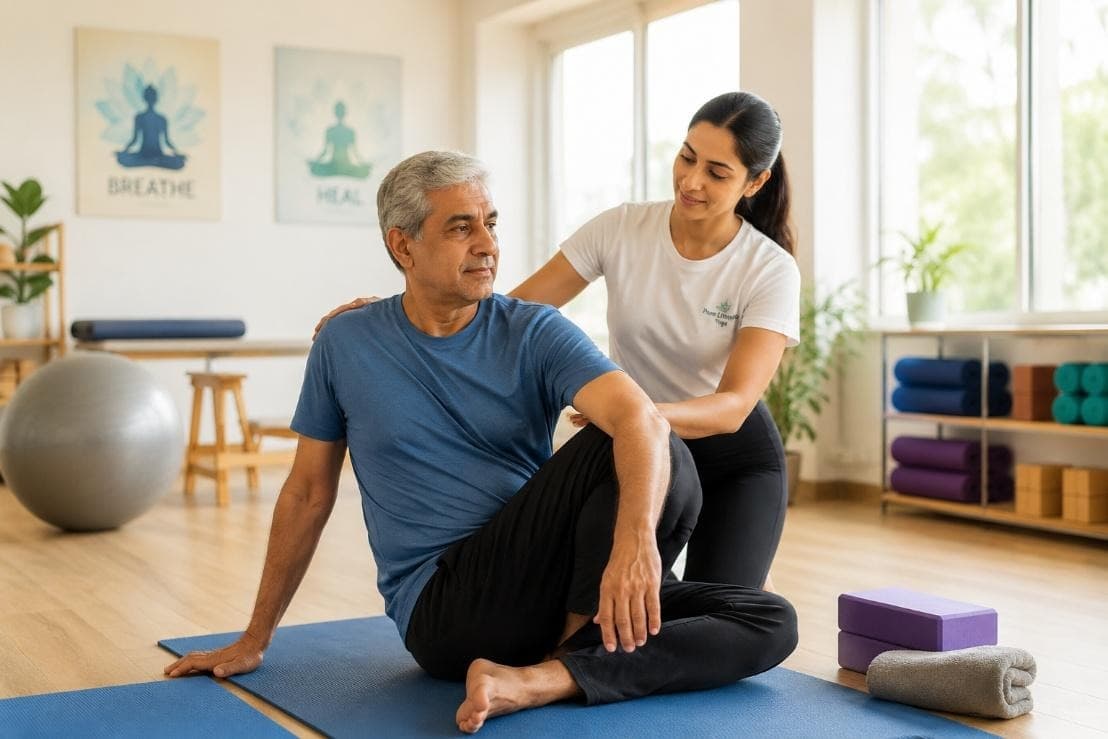
Recovering from surgery isn't just about waiting for your body to heal—it's about helping it heal the right way. While rest is essential in the early stages, prolonged inactivity often leads to stiffness, muscle weakness, reduced mobility, poor posture, and a loss of confidence in movement.
This is where therapeutic post-operative yoga becomes valuable. When designed by experienced professionals and introduced at the appropriate stage of recovery, yoga becomes a gentle yet powerful rehabilitation tool that complements medical treatment rather than replacing it.
At Pure Lifestyle Yoga, every post-operative yoga plan is individually designed in consultation with your healthcare provider, considering your surgery, recovery stage, pain levels, and long-term goals.
Whether you've undergone joint replacement, spinal surgery, abdominal procedures, cardiac surgery, or another medical intervention, therapeutic yoga can help you regain strength safely—one mindful movement at a time.
Why Recovery Doesn't End After Surgery
Surgery often solves the underlying medical problem, but recovery involves much more than healing an incision.
Many patients experience:
- Joint stiffness
- Muscle weakness
- Limited flexibility
- Poor balance
- Scar tissue restrictions
- Fear of movement
- Fatigue
- Reduced breathing capacity
- Poor posture
- Anxiety about re-injury
Without proper rehabilitation, these issues may persist for months.
Therapeutic yoga addresses the whole person—not only the surgical site but also breathing, circulation, mobility, mental health, posture, and confidence.
What Is Post-Operative Therapeutic Yoga?
Therapeutic yoga is a medically informed approach to yoga designed specifically for people recovering from injuries, surgeries, or chronic health conditions.
Unlike regular yoga classes, therapeutic sessions are:
- Personalized
- Low-impact
- Carefully supervised
- Recovery-focused
- Pain-aware
- Progressive
Every movement has a purpose.
Rather than challenging flexibility, therapeutic yoga aims to:
- Restore movement
- Improve circulation
- Reduce stiffness
- Increase mobility
- Rebuild muscular strength
- Improve breathing
- Calm the nervous system
- Restore confidence
Who Can Benefit?
Our programs can support recovery after many procedures, including:
Orthopedic Surgery
- Knee replacement
- Hip replacement
- ACL reconstruction
- Rotator cuff repair
- Shoulder surgery
- Fracture recovery
Spine Surgery
- Discectomy
- Spinal fusion
- Laminectomy
- Cervical surgery
Cardiac Surgery
- Bypass surgery
- Valve replacement
- Angioplasty rehabilitation (with medical approval)
Abdominal Surgery
- Hernia repair
- Gallbladder surgery
- Bariatric surgery
- Hysterectomy
Cancer Recovery
Gentle yoga may support recovery following cancer treatment after medical clearance.
How We Design Personalized Post-Operative Yoga Plans
No two recoveries are identical.
Instead of using a standard routine, we first understand your complete recovery picture.
1. Medical Assessment
We begin by reviewing:
- Surgical history
- Doctor's recommendations
- Physical therapy progress
- Pain levels
- Mobility restrictions
- Medications
- Existing health conditions
Medical clearance is always required before beginning sessions.
2. Functional Movement Evaluation
We assess:
- Walking pattern
- Balance
- Flexibility
- Joint range of motion
- Breathing quality
- Core stability
- Muscle weakness
- Postural alignment
This evaluation helps identify movement limitations beyond the surgical area.
3. Customized Recovery Goals
Every plan is built around your lifestyle.
Examples include:
- Walking without pain
- Climbing stairs comfortably
- Returning to work
- Playing with grandchildren
- Driving confidently
- Returning to sports
- Improving sleep
- Reducing stiffness
4. Progressive Weekly Programming
Rather than rushing recovery, each week introduces gradual improvements in:
- Mobility
- Stability
- Strength
- Flexibility
- Endurance
- Balance
- Functional movement
Progress is monitored continuously.
Our Four Recovery Phases
Phase 1: Restore Breath and Relaxation
The earliest stage focuses on calming the nervous system.
Activities include:
- Diaphragmatic breathing
- Gentle relaxation
- Circulation exercises
- Supported positioning
- Guided meditation
Goals:
- Reduce stress
- Improve oxygen delivery
- Minimize swelling
- Encourage healing
Phase 2: Gentle Mobility
Once approved by the healthcare team, movement begins gradually.
Exercises may include:
- Assisted stretches
- Chair yoga
- Joint mobility drills
- Supported standing poses
- Gentle spinal movements
Goals:
- Reduce stiffness
- Improve joint motion
- Prevent compensatory movement
Phase 3: Rebuild Strength
As healing progresses, strengthening becomes essential.
Sessions may include:
- Modified standing poses
- Core activation
- Balance exercises
- Functional strengthening
- Resistance band work
- Controlled transitions
Goals:
- Improve stability
- Restore muscle strength
- Increase confidence
Phase 4: Return to Everyday Life
The final phase prepares you for normal daily activities.
Focus areas include:
- Walking efficiency
- Stair climbing
- Functional mobility
- Household movement
- Recreational activities
- Long-term maintenance
Safety Always Comes First
At Pure Lifestyle Yoga, safety guides every decision.
We always:
- Require medical approval
- Respect surgical precautions
- Avoid painful movements
- Progress gradually
- Modify every pose when needed
- Coordinate with physiotherapists when appropriate
- Monitor fatigue carefully
- Prioritize proper alignment
Recovery should never be rushed.
Common Questions
When can I begin yoga after surgery?
The timing depends on the type of surgery, your healing progress, and your surgeon's recommendations. Some people begin breathing exercises within days, while physical yoga movements may start several weeks later.
Is yoga a replacement for physiotherapy?
No, Therapeutic yoga complements physiotherapy and medical rehabilitation. Both can work together effectively.
Will yoga reduce my pain?
Many patients experience reduced stiffness, improved mobility, and less muscular discomfort, though individual results vary.
Do I need previous yoga experience?
Not at all, Most post-operative patients are complete beginners.
Can online sessions work?
Yes, Private online therapeutic yoga sessions can be highly effective when properly supervised and tailored to your recovery stage.
Why Choose Pure Lifestyle Yoga?
Our approach combines therapeutic yoga principles with individualized care to create recovery plans that are:
- Personalized
- Safe
- Evidence-informed
- Gentle yet effective
- Suitable for beginners
- Focused on long-term wellness
- Adaptable as your recovery progresses
We believe recovery is about more than healing a surgical site—it's about restoring movement, confidence, and quality of life.
Final Thoughts
Healing after surgery is a journey, not a race. While medical treatment repairs the body, thoughtful rehabilitation helps you return to living fully. Therapeutic yoga offers a gentle, structured way to reconnect with your body, regain strength, improve mobility, and reduce the fear that often accompanies recovery.
With expert guidance, patience, and a plan tailored to your unique needs, each small step forward contributes to lasting recovery. At Pure Lifestyle Yoga, we are committed to supporting you through every phase of that journey—helping you move with greater comfort, confidence, and independence.
Ready to Rebuild with Confidence?
If you're recovering from surgery and looking for a safe, personalized approach to regaining strength and mobility, Pure Lifestyle Yoga can help. Our one-on-one therapeutic yoga sessions are thoughtfully designed around your medical history, recovery stage, and personal goals.
Book your consultation today and discover how expert-guided therapeutic yoga can become an important part of your rehabilitation journey.
Enjoy writing like this?
Considered pieces on practice and wellbeing — never a marketing blast.