

15 August 2026 · 4 min read
Yoga for Stress Relief: Poses to Calm Your Mind
By pure Lifestyle Yoga
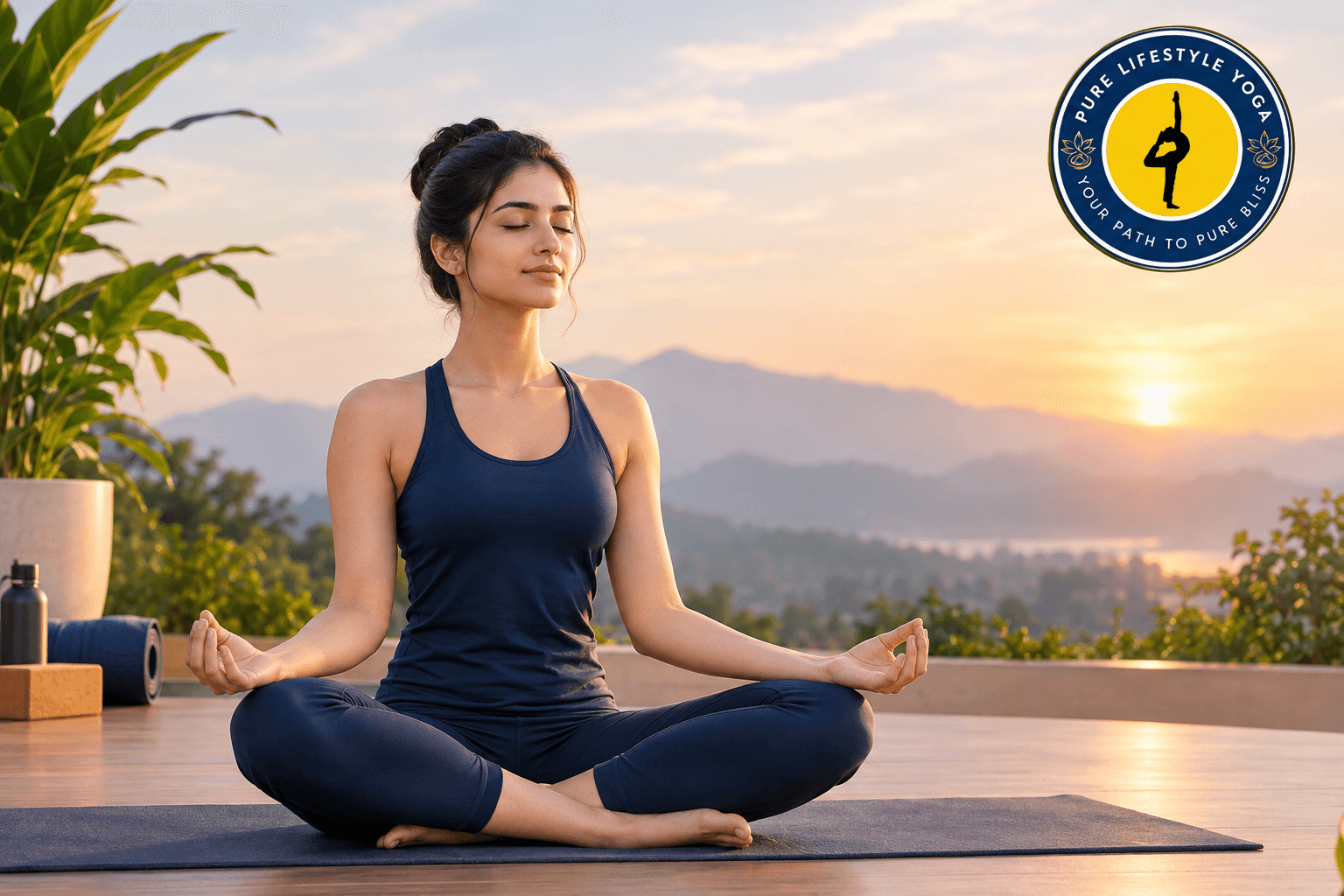
Yoga for Stress Relief: Poses to Calm Your Mind
Introduction
Stress has become a common part of modern life. Work, studies, responsibilities, technology, and everyday challenges can leave the mind feeling constantly busy.
While some stress is a normal part of life, spending too much time in a stressed state can affect how you feel physically and emotionally.
Yoga offers a simple way to slow down.
Through gentle movement, conscious breathing, and mindfulness, yoga can help you step away from daily distractions and reconnect with your body and breath.
You do not need to be flexible or experienced to use yoga for relaxation. Even a few minutes of gentle practice can become a valuable part of your daily wellness routine.
How Does Yoga Help With Stress?
1. Encourages Relaxation
Yoga combines movement with slow and controlled breathing. This can create a calming experience and help you shift your attention away from stressful thoughts.
2. Releases Physical Tension
Stress is not only mental. It can also show up as tight shoulders, a stiff back, tense hips, or a tired body.
Gentle yoga movements can help you release some of this physical tension.
3. Improves Body Awareness
Yoga encourages you to notice your breathing, posture, muscles, and emotions. This awareness can help you recognize when your body needs rest.
4. Creates a Mindful Break
Even a short yoga session gives you time away from screens, notifications, and constant activity.
That small pause can become an important part of a healthier daily routine.
Best Yoga Poses for Stress Relief
1. Child's Pose — Balasana
Child's Pose is one of the most relaxing yoga positions and is often used during gentle yoga sessions.
How to practice:
Kneel on your mat, sit your hips toward your heels, and gently lower your upper body forward. Let your arms rest comfortably.
Benefits:
- Encourages relaxation
- Gently stretches the back
- Provides a quiet resting position
- Helps create a sense of calm
Stay here for several slow breaths.
2. Cat-Cow Pose — Marjaryasana-Bitilasana
Cat-Cow connects movement with breathing and gently mobilizes the spine.
How to practice:
Come onto your hands and knees. Slowly alternate between rounding your spine and gently opening your chest.
Benefits:
- Releases tension around the spine
- Improves spinal mobility
- Connects breath with movement
Repeat slowly for several comfortable rounds.
3. Forward Fold — Uttanasana
A gentle forward fold can help create a slower, quieter moment during your practice.
How to practice:
Stand with your feet comfortably positioned. Slowly fold forward from your hips and allow your head and neck to relax.
Do not force yourself to reach the floor.
4. Legs-Up-the-Wall — Viparita Karani
This restorative position is popular during relaxation-focused yoga practices.
How to practice:
Lie on your back near a wall and gently extend your legs upward against it. Keep your arms relaxed.
Remain comfortable and breathe slowly.
5. Corpse Pose — Savasana
Savasana is traditionally practiced at the end of a yoga session.
How to practice:
Lie comfortably on your back with your arms and legs relaxed. Close your eyes and focus on slow, natural breathing.
Allow your body to become still.
Breathing Techniques for a Calm Mind
Deep Breathing
Sit comfortably and breathe slowly through your nose. Allow your abdomen to gently expand as you inhale and soften as you exhale.
Continue for a few minutes without forcing the breath.
Alternate Nostril Breathing — Nadi Shodhana
This traditional breathing technique involves alternating the nostrils while breathing in a controlled rhythm.
It can be included in a relaxation-focused yoga routine if it feels comfortable for you.
Humming Bee Breath — Bhramari
Bhramari involves making a gentle humming sound during the exhalation.
Many people find the practice soothing and relaxing.
If any breathing practice causes dizziness or discomfort, stop and return to normal breathing.
A Simple 15-Minute Stress-Relief Routine
If you have limited time, try this gentle sequence:
2 minutes: Slow breathing
3 minutes: Cat-Cow
2 minutes: Child's Pose
3 minutes: Forward Fold and gentle stretches
3 minutes: Legs-Up-the-Wall
2 minutes: Savasana
The purpose is not to perform every pose perfectly. The purpose is to slow down and give yourself a peaceful break.
Everyday Habits for Managing Stress
Yoga becomes even more useful when combined with healthy daily habits.
- Take short breaks from screens.
- Spend some time outdoors.
- Maintain a regular sleep schedule.
- Stay physically active.
- Make time for hobbies and people you enjoy.
- Practice slow breathing when you feel overwhelmed.
- Avoid expecting yourself to be productive every minute of the day.
Final Thoughts
Stress may be unavoidable, but how we respond to it can become part of our wellness practice.
Yoga provides a simple space to breathe, move, pause, and reconnect with yourself. You do not need an hour-long class or complicated poses. Sometimes, a few slow breaths and a gentle stretch are enough to create a meaningful pause in a busy day.
Roll out your mat, take a deep breath, and
give yourself permission to slow down.
Enjoy writing like this?
Considered pieces on practice and wellbeing — never a marketing blast.