

27 August 2026 · 10 min read
Yoga for Stress and Anxiety: 6 Simple Poses for Calm.
By Pure Lifestyle Yoga
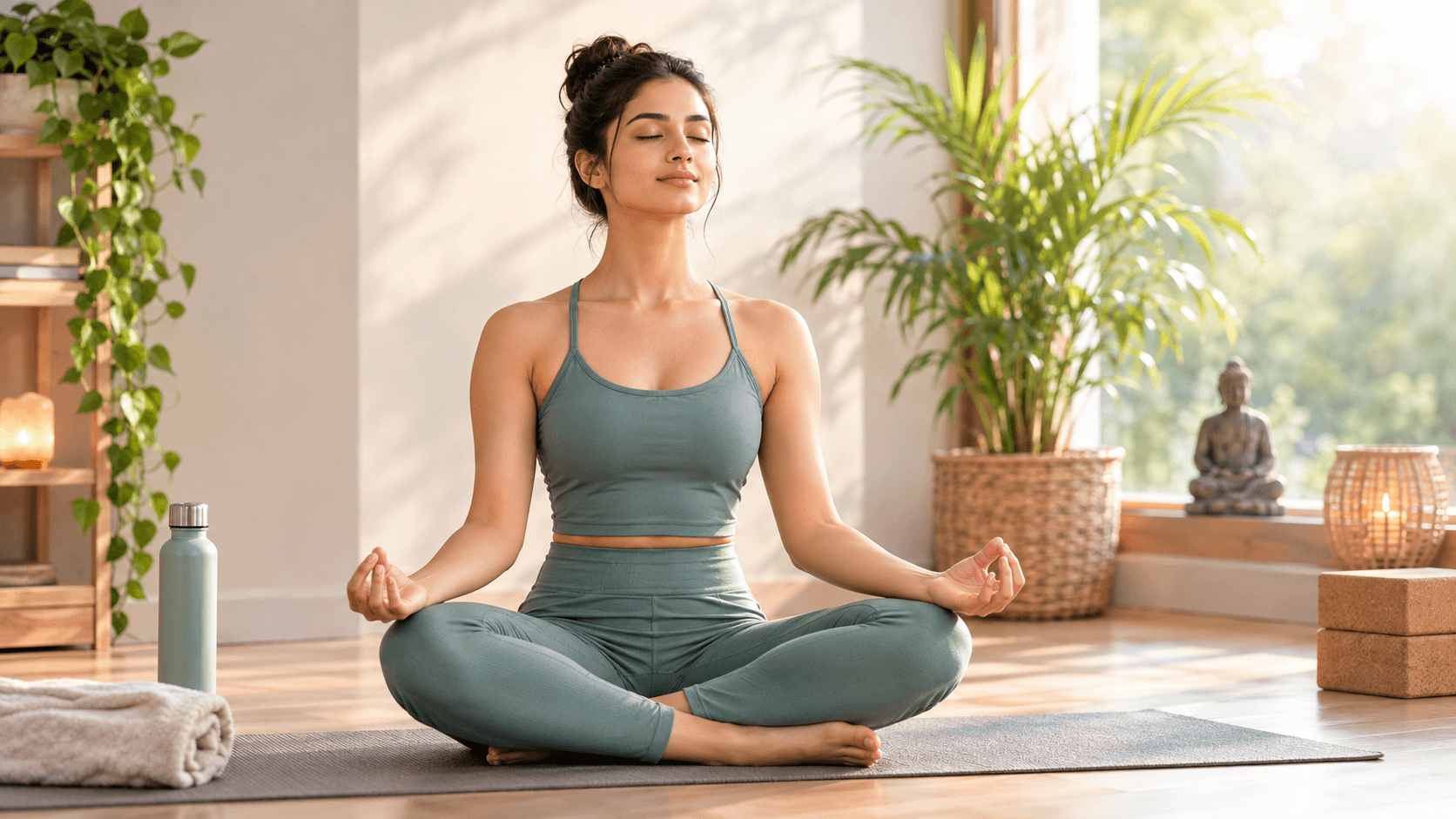
In today’s fast-paced world, stress and anxiety have become common parts of everyday life. Busy schedules, work pressure, personal responsibilities, and constant digital distractions can leave us feeling mentally exhausted and emotionally overwhelmed. While some stress is a natural response to life’s challenges, finding healthy ways to manage it is essential for overall well-being.
Yoga for stress and anxiety offers a gentle, practical way to slow down, reconnect with your body, and develop a calmer state of mind. By combining physical postures, mindful breathing, and meditation, yoga encourages relaxation and helps you become more aware of your thoughts and emotions.
You do not need to be an experienced yogi or spend hours on the mat to begin. Even a few minutes of gentle yoga each day can become a meaningful part of your self-care routine.
In this guide, we will explore how yoga may help manage stress and anxiety, the best yoga poses for relaxation, and simple practices you can incorporate into your daily life.
How Does Yoga Help Reduce Stress and Anxiety?
Yoga connects the body, breath, and mind through movement and mindfulness. When you feel stressed, your breathing may become shallow, your muscles may tighten, and your thoughts may begin to race. Gentle yoga encourages you to slow down and pay attention to the present moment.
Here are some ways yoga may support emotional well-being:
1. Encourages Relaxation
Slow movements and mindful breathing can help your body settle after a demanding day. A regular yoga practice may make it easier to create moments of calm amid daily responsibilities.
2. Supports Better Breathing
Breathing exercises, also known as pranayama, encourage awareness of your breathing patterns. Gentle, comfortable breathing may help you feel more relaxed and grounded when facing stressful situations.
3. Improves Mindfulness
Yoga encourages you to focus on what you are experiencing right now rather than becoming caught up in worries about the past or future. This awareness can help you respond to everyday challenges with greater patience.
4. Promotes Better Sleep
Stress and racing thoughts can make it difficult to unwind at night. Gentle yoga, relaxation exercises, and meditation may support a more peaceful bedtime routine and improve sleep quality for some people.
5. Helps Release Physical Tension
Stress can contribute to tight shoulders, a stiff neck, and tension in the back. Gentle stretching and mindful movement can help ease everyday muscular tightness while encouraging relaxation.
6 Simple Yoga Poses for Stress and Anxiety
You can practise the following beginner-friendly poses at home. Move slowly, breathe naturally, and avoid pushing your body beyond its comfortable range.
1. Child’s Pose (Balasana)
Child’s Pose is a gentle resting posture that encourages you to slow down and turn your attention inward.
How to practise:
Kneel on your yoga mat with your big toes touching.
Gently sit back toward your heels.
Fold your upper body forward and rest your forehead on the mat or a cushion.
Extend your arms forward or let them rest beside your body.
Breathe comfortably and remain in the pose for 30–60 seconds, if comfortable.
Benefits: This pose gently stretches the back and hips and can provide a quiet moment for relaxation.
2. Cat-Cow Pose (Marjaryasana-Bitilasana)
Cat-Cow is a gentle movement that connects your breathing with the movement of your spine.
How to practise:
Start on your hands and knees.
As you inhale, gently lift your chest and tailbone while keeping your neck comfortable.
As you exhale, round your back gently and bring your chin slightly toward your chest.
Repeat slowly for 5–8 comfortable rounds.
Benefits: It encourages spinal mobility, reduces feelings of stiffness, and brings your attention to the rhythm of your breath.
3. Standing Forward Fold (Tanasan)
A gentle forward fold can help stretch the back of your legs and release tension around your upper body.
How to practice:
Stand with your feet about hip-width apart.
Bend your knees slightly.
Slowly hinge forward from your hips, allowing your upper body to relax.
Rest your hands on your thighs, shins, or a yoga block.
Take a few comfortable breaths before slowly returning to standing.
Benefits: This pose gently stretches the legs and back while offering an opportunity to pause and breathe.
Tip: If you experience dizziness, balance difficulties, or discomfort when bending forward, choose a supported alternative.
4. Legs-Up-the-Wall Pose (Viparita Karani)
This restorative posture can be a relaxing addition to an evening yoga routine.
How to practise:
Sit sideways next to a wall.
Lie back and gently bring your legs up against the wall.
Adjust your hips to a comfortable distance from the wall.
Rest your arms beside your body with your palms facing upward.
Remain for 2–5 minutes if comfortable, breathing naturally.
Benefits: The supported position allows your legs and body to rest and can help you create a peaceful transition toward bedtime.
Tip: Skip this pose or seek professional guidance if the position is unsuitable for your health or causes discomfort.
5. Easy Seated Pose (Sukh asana)
Easy Seated Pose is ideal for practising mindful breathing or beginning a short meditation.
How to practice:
Sit comfortably on a yoga mat or cushion.
Cross your legs loosely, keeping your spine naturally upright.
Relax your shoulders and rest your hands on your thighs.
Close your eyes if that feels comfortable.
Notice your breathing for 1–3 minutes without trying to force it.
Benefits: It supports a simple mindfulness practice and helps you develop awareness of your body and thoughts.
6. Corpse Pose (Savasana)
Savasana is traditionally practiced at the end of a yoga session to allow the body and mind to rest.
How to practice:
Lie on your back with your legs comfortably apart.
Keep your arms relaxed beside your body.
Use a cushion beneath your knees or head if needed.
Let your breathing remain natural.
Rest for 3–5 minutes, gently bringing your attention back whenever your mind wanders.
Benefits: This pose encourages stillness, relaxation, and a gradual transition out of your yoga practice.
Breathing Exercises to Calm Your Mind
Breathing practices can complement yoga by helping you slow down and notice your body's responses to stress.
1. Slow, Comfortable Breathing
This is a simple practice for beginners who want to feel more grounded.
Steps:
Sit or lie down in a comfortable position.
Breathe in gently through your nose, if comfortable.
Allow your exhalation to be slow and unforced.
Continue for 1–2 minutes without taking unusually deep breaths.
Keep your breathing natural. If you feel dizzy, breathless, or uncomfortable, return to normal breathing and stop the exercise.
2. Mindful Breathing
Mindful breathing helps you focus on the present moment without trying to control every thought.
Steps:
Sit comfortably and bring your attention to your breath.
Notice the air moving in and out.
When your mind wanders, gently return your attention to breathing.
Continue for 3–5 minutes or for as long as feels comfortable.
The goal is not to eliminate every thought. It is to practise noticing thoughts without judging yourself.
A Simple 10-Minute Yoga Routine for Stress Relief
You can use this short routine in the morning, during a break, or in the evening after a busy day.
DurationPracticePurpose1 minute Comfortable seated breathing Settle your attention2 minutes Cat-Cow Pose Encourage gentle movement2 minutes Child’s Pose Relax and stretch2 minutes Easy Seated Pose with mindful breathing Practice mindfulness3 minutes Savasana Rest and unwind
Adjust the duration and poses to suit your needs. If a pose causes pain or discomfort, skip it or choose a gentler alternative.
Consistency matters more than perfection. A short, comfortable routine that you can maintain is often more practical than an ambitious routine that feels difficult to follow.
Tips for Making Yoga a Daily Habit
Building a consistent yoga practice does not require a complicated schedule. Start with small, manageable steps.
Choose a convenient time: Practice in the morning to begin your day mindfully or in the evening to unwind.
Create a peaceful space: Find a quiet corner where you can stretch and breathe without unnecessary distractions.
Start slowly: Begin with 5–10 minutes and gradually increase the duration if you enjoy it.
Listen to your body: Yoga should not require you to push through pain or force a difficult position.
Focus on consistency: A few minutes of regular practice may be easier to sustain than occasional long sessions.
Combine yoga with healthy habits: Regular physical activity, sufficient sleep, balanced meals, and supportive relationships can all contribute to emotional well-being.
Be patient with yourself: Some sessions may feel peaceful, while others may feel distracting. Both experiences are normal.
Common Mistakes to Avoid When Practicing Yoga for Anxiety
To make your practice comfortable and sustainable, keep the following points in mind:
Forcing your breathing: Trying to take excessively deep or rapid breaths can cause dizziness or discomfort. Breathe gently and naturally.
Expecting instant results: Yoga may support relaxation, but its effects vary from person to person. Give yourself time to develop a routine.
Comparing yourself with others: Yoga is a personal practice. Flexibility and advanced poses are not necessary to experience its potential benefits.
Ignoring discomfort: Stop or modify a movement if you experience pain, dizziness, or unusual breathlessness.
Using yoga as your only source of support: Yoga can complement mental health care, but it should not replace professional support when anxiety is persistent, severe, or interfering with daily life.
Can Beginners Practice Yoga for Stress and Anxiety?
Yes. Beginners can start with gentle stretches, comfortable breathing, and short relaxation sessions. You do not need special equipment or advanced flexibility.
A yoga mat, comfortable clothing, and a quiet space are enough to begin. Cushions, folded blankets, or yoga blocks can provide additional support.
If you have a health condition, an injury, balance concerns, or are pregnant, consider consulting a qualified healthcare professional or appropriately trained yoga instructor before starting a new practice. Choose movements that suit your individual needs.
If anxiety is persistent or affects your sleep, relationships, work, or everyday activities, consider speaking with a qualified mental health professional. Yoga can be a useful complementary practice, but professional treatment may also be needed.
Frequently Asked Questions (FAQs)
1. Which yoga is best for stress and anxiety?
Gentle yoga styles, restorative yoga, and mindful practices may be helpful for relaxation. Child’s Pose, Cat-Cow, supported resting poses, and comfortable breathing exercises are good starting points for many beginners.
2. How long should I practice yoga for stress relief?
You can start with 5–10 minutes a day. Gradually adjust the duration based on your comfort, schedule, and experience. Even a brief session can provide an opportunity to pause and reconnect with yourself.
3. Is morning or evening yoga better for anxiety?
Both can be beneficial. Morning yoga may help you start your day mindfully, while evening yoga can help you transition into a relaxing bedtime routine. Choose the time that works best for you.
4. Can yoga cure anxiety?
Yoga is not a guaranteed cure for anxiety. Research suggests it may help some people manage stress and anxiety symptoms, but individual results vary. It is best viewed as a complementary wellness practice alongside appropriate professional care when needed.
5. Do I need to be flexible to start yoga?
No. Yoga can be adapted to different fitness and flexibility levels. Start with comfortable movements, use props for support, and focus on how your body feels rather than how a pose looks.
Final Thoughts
Stress is a part of modern life, but you can develop healthier ways to respond to it. Yoga for stress and anxiety provides an opportunity to slow down, move mindfully, and reconnect with your breathing and body.
Whether you begin with Child’s Pose, a few minutes of mindful breathing, or a short relaxation routine, the most important step is to start at a pace that feels comfortable for you.
At Pure Lifestyle Yoga, we believe that wellness begins with small, consistent steps toward a healthier relationship with your body and mind. Make time for yourself, practice with patience, and allow each session to become an opportunity to pause and recharge.
Take a deep breath, roll out your mat, and give
yourself a few peaceful minutes today.
Enjoy writing like this?
Considered pieces on practice and wellbeing — never a marketing blast.