

19 June 2026 · 7 min read
Why Flexibility Matters More After 40
By Pure Lifestyle Yoga
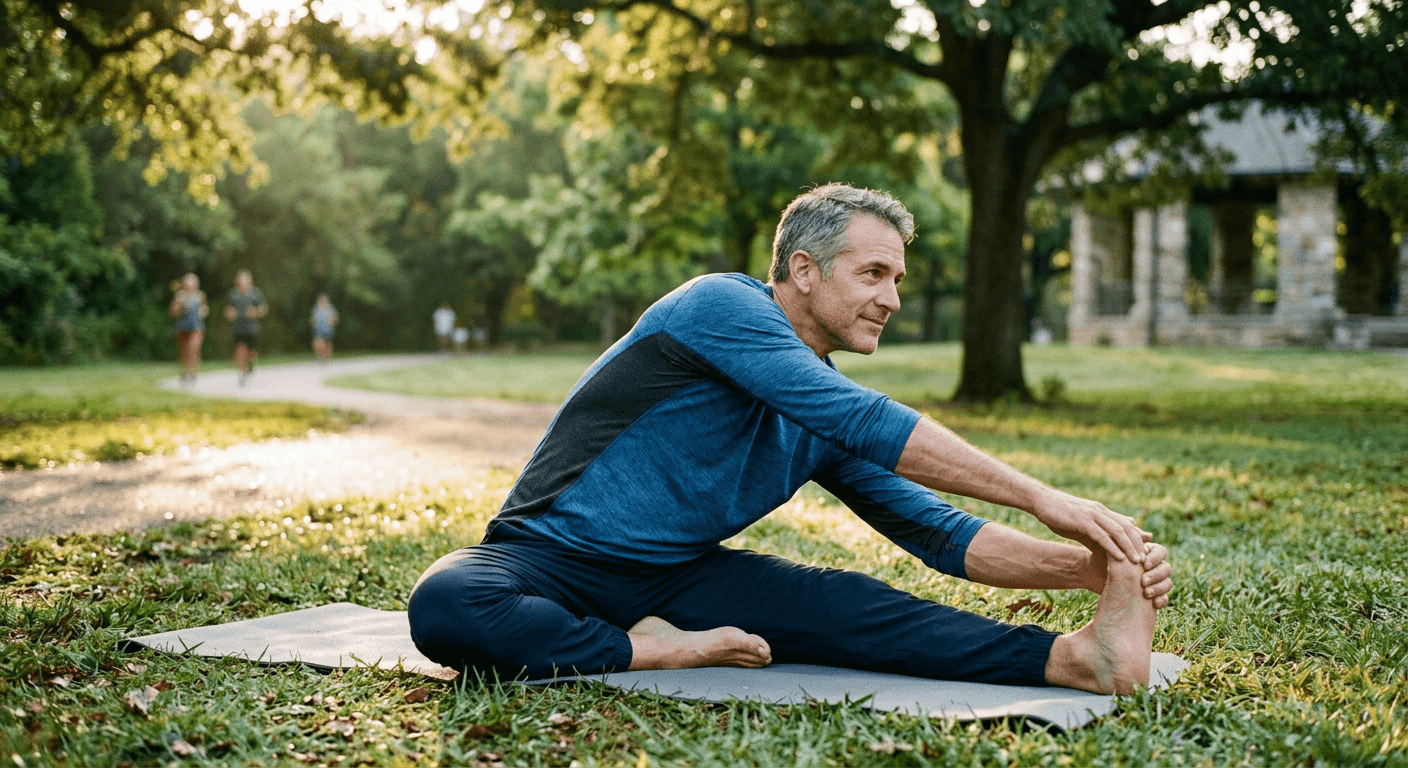
Why Flexibility Matters More After 40
Discover why flexibility becomes increasingly important after 40 and how yoga can help maintain mobility, reduce stiffness, improve posture, and support healthy aging.
Introduction
Most people don't wake up on their 40th birthday and suddenly feel old.
The changes tend to happen gradually.
One day you notice that sitting cross-legged isn't as comfortable as it used to be. Reaching for something on a high shelf feels a little more difficult. Getting out of bed takes an extra minute. Long flights, extended meetings, or hours at a desk leave your body feeling unusually stiff.
These small signs are easy to dismiss.
After all, they're often considered a normal part of aging.
But here's the truth: while aging does bring changes to the body, feeling stiff and restricted isn't something you simply have to accept.
Flexibility plays a much bigger role in healthy aging than most people realize. It's not about performing impressive yoga poses or touching your toes. It's about maintaining the freedom to move comfortably through everyday life.
And after 40, that freedom becomes increasingly valuable.
Flexibility Isn't Just About Stretching
When people hear the word flexibility, they often picture gymnasts or advanced yoga practitioners.
In reality, flexibility affects nearly every movement you make throughout the day.
It influences your ability to:
- Bend down comfortably
- Reach overhead
- Turn your neck while driving
- Climb stairs with ease
- Carry groceries
- Travel comfortably
- Maintain good posture
- Move without unnecessary strain
In simple terms, flexibility helps your body move the way it was designed to move.
The less flexibility you have, the harder everyday activities can become.
Why Do We Become Less Flexible With Age?
Aging itself isn't the only reason flexibility declines.
Our lifestyle habits often play a bigger role.
Think about how many hours the average person spends:
- Sitting at a desk
- Working on a laptop
- Driving
- Looking down at a phone
- Watching television
The body adapts to the positions it spends the most time in.
Over time, this can lead to:
- Tight hips
- Stiff shoulders
- Reduced spinal mobility
- Limited range of motion
- Poor posture
When movement becomes less varied, the body gradually loses some of its natural mobility.
The good news is that flexibility can be maintained and improved at any age.
Why Flexibility Becomes More Important After 40
1. It Helps You Stay Active
One of the biggest barriers to physical activity isn't lack of motivation.
It's discomfort.
When your body feels stiff, movement often feels harder than it should.
Good flexibility helps make activities like walking, exercising, traveling, and even household tasks feel easier and more enjoyable.
The easier movement feels, the more likely you are to stay active.
2. It Supports Better Posture
Many professionals spend years working at desks, attending meetings, and using digital devices.
Over time, this can create postural imbalances such as:
- Rounded shoulders
- Forward head posture
- Tight hips
- Lower back discomfort
Improving flexibility can help restore balance to the body and support healthier posture.
Better posture isn't just about appearance.
It can influence comfort, breathing efficiency, and overall movement quality.
3. It May Help Reduce Everyday Aches and Stiffness
Many adults assume stiffness is simply something they must live with as they get older.
But often, stiffness is the body's way of asking for more movement.
Maintaining flexibility can help:
- Improve joint mobility
- Reduce muscle tension
- Increase comfort during daily activities
- Support overall movement efficiency
The goal isn't to eliminate every ache or pain.
It's to help the body move with less resistance.
4. It Helps Maintain Independence
One of the most overlooked benefits of flexibility is its connection to independence.
Think about the movements required for daily living:
- Getting in and out of a chair
- Picking something up from the floor
- Reaching into a cupboard
- Climbing stairs
- Carrying bags
These tasks depend on mobility and flexibility.
Maintaining these abilities can help preserve confidence and independence as the years go by.
5. It Supports Better Balance
Flexibility and balance often work together.
When muscles and joints move freely, the body can adapt more effectively to changes in position.
This becomes increasingly important with age.
Good balance supports:
- Stability
- Coordination
- Confidence in movement
- Reduced risk of falls
Yoga is particularly effective because it combines flexibility work with balance training in a controlled and mindful way.
Where Yoga Fits In
Unlike many forms of exercise that focus solely on strength or cardiovascular fitness, yoga encourages the body to move in multiple directions while developing awareness and control.
Regular yoga practice can help improve flexibility in areas that commonly become tight with age, including:
- Hips
- Hamstrings
- Spine
- Chest
- Shoulders
- Neck
More importantly, yoga teaches you to move with awareness rather than force.
The goal isn't extreme flexibility.
The goal is sustainable mobility that supports everyday life.
Simple Yoga Habits to Maintain Flexibility After 40
You don't need to spend an hour on a yoga mat every day.
Small, consistent habits often make the biggest difference.
Start the Day With Gentle Movement
Spend a few minutes moving your:
- Neck
- Shoulders
- Spine
- Hips
This can help reduce morning stiffness and improve circulation.
Take Movement Breaks
If you sit for long periods, stand up and stretch regularly.
Even a few minutes of movement can help counteract the effects of prolonged sitting.
Focus on Areas That Tighten Easily
Many adults benefit from regularly stretching:
- Hip flexors
- Hamstrings
- Chest muscles
- Upper back
- Shoulders
Practice Yoga Consistently
Consistency matters more than intensity.
A short practice performed regularly often provides greater benefits than occasional long sessions.
Flexibility Is an Investment in Your Future
One of the most important things to understand about flexibility is that its benefits extend beyond today.
The mobility you maintain now can influence how comfortably you move years from now.
Many people invest in financial security for the future.
Flexibility is a similar investment—one that pays dividends in the form of better movement, greater independence, and improved quality of life.
The earlier you start, the easier it becomes to maintain.
But it's never too late to begin.
The Bigger Picture
After 40, health often becomes less about achieving fitness goals and more about preserving function.
It's about being able to travel, exercise, play with your children or grandchildren, pursue hobbies, and enjoy daily life without feeling limited by your body.
Flexibility is a key part of that equation.
And yoga offers one of the most effective and sustainable ways to maintain it.
Summary
Flexibility becomes increasingly important after 40 because it supports mobility, posture, balance, comfort, and independence.
While age-related changes are natural, much of the stiffness people experience is influenced by lifestyle habits and lack of movement rather than age alone.
Yoga provides a gentle and effective way to maintain flexibility, helping the body move more freely and comfortably over time.
The goal isn't to become more flexible than everyone else.
It's to keep doing the things you love with confidence, ease, and freedom for years to come.
Frequently Asked Questions (FAQs)
Why does flexibility decrease after 40?
Flexibility often declines due to a combination of aging, reduced physical activity, prolonged sitting, and repetitive movement patterns.
Can yoga improve flexibility after 40?
Yes. Regular yoga practice can help improve mobility, flexibility, and overall movement quality at any age.
How often should I practice yoga for flexibility?
Even 10–20 minutes of yoga several times a week can support flexibility when practiced consistently.
Is it too late to become flexible after 40?
Not at all. The body can adapt and improve mobility at almost any age with regular movement and appropriate exercises.
What type of yoga is best for improving flexibility?
Gentle styles such as Hatha Yoga, Yin Yoga, and Restorative Yoga are often effective for improving flexibility while supporting overall well-being.
References
- National Institutes of Health (NIH)
- Harvard Health Publishing
- International Journal of Yoga
- American College of Sports Medicine
- Journal of Aging and Physical Activity
- Frontiers in Human Neuroscience
Enjoy writing like this?
Considered pieces on practice and wellbeing — never a marketing blast.