

9 July 2026 · 5 min read
The Nervous System Reset: How Yoga Regulates Your Vagus Nerve
By Pure Lifestyle Yoga
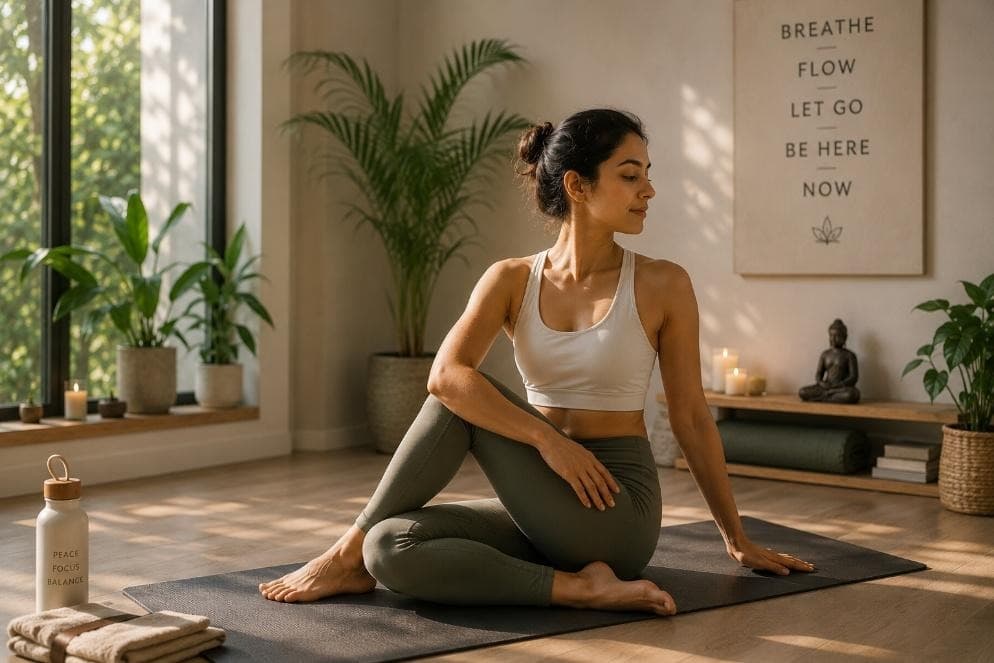
Do you often feel anxious, mentally exhausted, or constantly "on edge" even after getting enough sleep?
For many people, the problem isn't simply stress—it's that the nervous system never gets the opportunity to fully recover.
Modern life keeps us connected around the clock. Emails, deadlines, social media, traffic, and endless notifications repeatedly activate the body's stress response, making it difficult to relax.
The good news is that your body already has a built-in recovery system—and one of its most important components is the vagus nerve.
Yoga, mindful breathing, and meditation have been shown to support this powerful nerve, helping your body shift from survival mode into a state of calm, balance, and healing.
Understanding the Vagus Nerve
The vagus nerve is the longest cranial nerve in the human body.
It connects the brain with several vital organs, including the heart, lungs, digestive system, and other internal organs.
Its primary role is to regulate the parasympathetic nervous system, often called the body's "rest and digest" system.
When the vagus nerve functions well, it helps:
- Slow the heart rate
- Support healthy digestion
- Improve breathing efficiency
- Reduce stress responses
- Promote emotional regulation
- Encourage better recovery after physical or mental effort
Think of it as the body's natural calming system.
Why Your Nervous System Feels Overloaded
Your nervous system constantly reacts to the world around you.
While short periods of stress are normal, chronic stress can leave your body stuck in fight-or-flight mode.
Common causes include:
- Long working hours
- Poor sleep
- Constant smartphone use
- High-pressure careers
- Lack of physical movement
- Emotional stress
- Information overload
Over time, this may contribute to symptoms such as:
- Anxiety
- Brain fog
- Fatigue
- Muscle tension
- Poor digestion
- Difficulty sleeping
- Irritability
When your body rarely enters a relaxed state, even small challenges can begin to feel overwhelming.
How Yoga Helps Regulate the Vagus Nerve
Yoga offers more than flexibility and physical strength.
Its greatest benefit may be its ability to activate the body's relaxation response.
Through slow movement, controlled breathing, and mindfulness, yoga encourages the nervous system to shift from sympathetic activation (fight or flight) to parasympathetic activation (rest and digest).
This transition can help:
- Lower stress hormones
- Slow the heart rate
- Relax tense muscles
- Improve digestion
- Enhance emotional resilience
- Increase feelings of calm
Unlike high-intensity exercise, gentle yoga encourages recovery rather than stimulation.
That's why restorative yoga is often recommended for people experiencing burnout, chronic stress, or anxiety.
The Science Behind Breathwork
Breathing is one of the few body functions we can consciously control, making it a powerful tool for influencing the nervous system.
Slow, diaphragmatic breathing stimulates the vagus nerve, encouraging relaxation.
Research suggests that slower breathing patterns may help improve heart rate variability (HRV)—a marker often associated with a healthy and adaptable nervous system.
Some effective breathing practices include:
Box Breathing
Inhale, hold, exhale, and hold again for equal counts.
Nadi Shodhana (Alternate Nostril Breathing)
Helps create balance between the body's calming and energizing systems.
Bhramari (Humming Bee Breath)
The gentle humming vibration may promote relaxation and reduce mental tension.
Ujjayi Breathing
A slow, controlled breath often practiced during yoga to enhance focus and calmness.
Just five to ten minutes of intentional breathing each day can make a noticeable difference.
Best Yoga Practices for Nervous System Health
Certain yoga postures naturally encourage relaxation and recovery.
Consider including these poses in your routine:
Child's Pose (Balasana)
Promotes deep relaxation and reduces tension.
Legs Up the Wall (Viparita Karani)
Encourages circulation while calming the nervous system.
Cat-Cow Stretch
Coordinates movement with breath to reduce physical tension.
Supine Twist
Releases tightness through the spine and promotes relaxation.
Supported Bridge Pose
Opens the chest while encouraging deep breathing.
Savasana
Perhaps the most important pose of all, allowing the body to fully integrate the benefits of practice.
Combined with mindful breathing, these postures help create a complete nervous system reset.
A 20-Minute Daily Nervous System Reset
You don't need hours of practice to experience meaningful benefits.
Try this simple routine:
2 Minutes – Deep diaphragmatic breathing
5 Minutes – Cat-Cow Stretch
3 Minutes – Child's Pose
5 Minutes – Legs Up the Wall
3 Minutes – Guided meditation
2 Minutes – Savasana
Practicing consistently—even for just twenty minutes a day—can support long-term resilience and emotional well-being.
Small Lifestyle Habits That Support Recovery
Yoga works even better when paired with healthy daily habits.
Consider:
- Taking regular breaks from screens
- Prioritizing quality sleep
- Spending time outdoors
- Staying hydrated
- Practicing mindful eating
- Limiting unnecessary notifications
- Building moments of stillness into your day
Small, consistent changes often produce the greatest long-term results.
Final Thoughts
Stress may be unavoidable, but staying trapped in stress doesn't have to be.
Your vagus nerve plays an essential role in helping your body recover, regulate emotions, and restore balance.
Yoga provides a gentle, evidence-informed way to support this natural process through movement, breath, and mindfulness.
Whether you're managing a demanding career, recovering from burnout, or simply looking for greater mental clarity, nurturing your nervous system can be one of the most valuable investments in your long-term health.
Sometimes, true strength isn't found in pushing harder—it's found in knowing when to slow down and allow your body to heal.
Ready to Reset Your Nervous System?
At Pure Lifestyle Yoga, our experienced instructors create personalized yoga and breathwork sessions designed to reduce stress, improve resilience, and support your overall well-being.
Whether you're new to yoga or looking to deepen your practice, we're here to guide you toward a calmer, healthier, and more balanced life.
Book your private consultation today and experience the science of mindful movement for yourself.
Enjoy writing like this?
Considered pieces on practice and wellbeing — never a marketing blast.