

25 July 2026 · 6 min read
The Kinetic Chain: Why Ankle Mobility Affects Your Entire Posture
By Pure Lifestyle Yoga
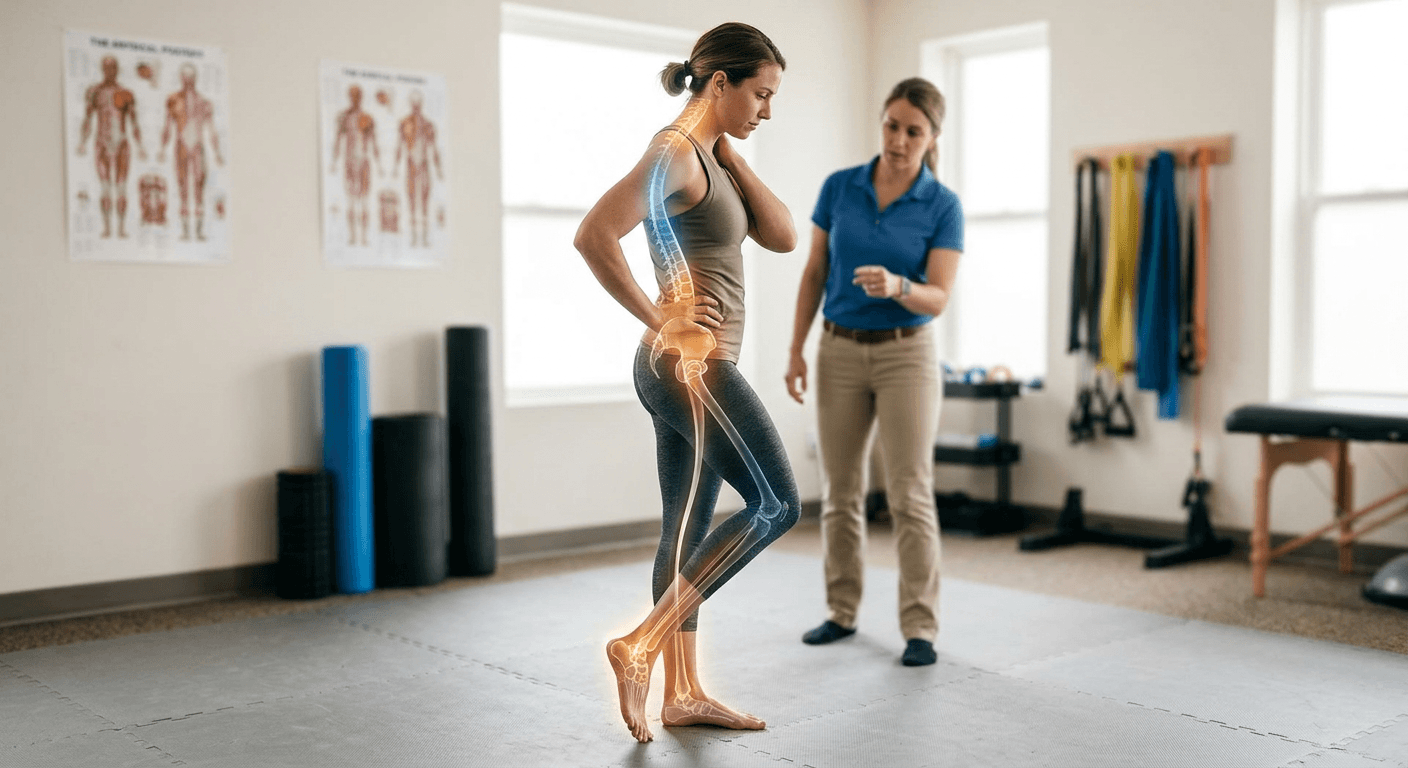
"The human body is a masterpiece of connected movement—when one part is restricted, every other part compensates."
Most people blame their back, neck, or shoulders when they experience pain. Few realize that the real problem may begin much lower—in the ankles. Our bodies are designed to function as one connected system, often referred to as the kinetic chain. When one link in that chain loses mobility, the effects ripple upward, influencing the knees, hips, spine, and even the neck. Whether you're practicing private yoga at home Gurugram, working with a yoga therapist at home Gurugram, joining corporate yoga Gurugram, exploring senior citizen yoga at Gurugram, attending online yoga classes India, or learning through an Indian yogis online session, understanding ankle mobility can completely change the way you think about posture and movement.
At Pure Lifestyle Yoga, we don't simply address the area where pain appears—we identify the root cause. Often, improving one overlooked joint creates positive changes throughout the entire body.
"Movement is never isolated; every joint tells a story about another."
Understanding the Kinetic Chain
Imagine a row of dominoes standing perfectly in line.
When one domino falls, every domino behind it is affected.
The human body works in much the same way.
Your feet create the foundation for movement. Above them sit the ankles, followed by the knees, hips, pelvis, spine, shoulders, and head. Each joint depends on the quality of movement below it.
If the ankles cannot move efficiently, the body automatically finds compensation elsewhere.
This compensation often leads to:
- Knee discomfort
- Tight hips
- Lower back pain
- Rounded shoulders
- Neck stiffness
- Poor balance
- Reduced athletic performance
Rather than treating each symptom separately, yoga views the body as an interconnected whole.
"When the foundation becomes stronger, everything above it finds greater stability."
Private Yoga at Home Gurugram: Why Healthy Ankles Matter More Than You Think
Many people associate ankle mobility only with runners or athletes.
In reality, ankle flexibility influences almost every daily movement, including:
- Walking
- Climbing stairs
- Sitting down
- Standing up
- Squatting
- Reaching overhead
- Maintaining balance
Through private yoga at home Gurugram, instructors carefully assess how ankle movement affects overall posture and movement quality.
Signs of Limited Ankle Mobility
You may have restricted ankle mobility if you experience:
- Difficulty squatting deeply
- Frequent calf tightness
- Heel lifting during movement
- Poor balance
- Stiffness after sitting
- Recurrent knee discomfort
These signs often develop gradually, making them easy to ignore until compensation begins affecting other joints.
"Pain is often the body's final warning, not its first message."
Yoga Therapist at Home Gurugram: Looking Beyond the Area of Pain
One of the biggest mistakes people make is focusing only on where discomfort appears.
A sore lower back doesn't always mean the lower back is the problem.
A qualified yoga therapist at home Gurugram evaluates the body's entire movement pattern.
For example:
- Limited ankle mobility may increase knee strain.
- Restricted knees may alter hip movement.
- Tight hips may change pelvic alignment.
- Pelvic imbalance can overload the lower back.
- Poor spinal alignment eventually affects the shoulders and neck.
Instead of masking symptoms, therapeutic yoga works to restore healthy movement throughout the entire kinetic chain.
Movement Assessment Matters
Before beginning any therapeutic practice, experienced instructors observe:
- Walking pattern
- Standing posture
- Balance
- Hip mobility
- Foot alignment
- Breathing mechanics
Understanding these relationships allows each yoga session to become truly personalized.
"The body compensates brilliantly—until it no longer can."
Corporate Yoga Gurugram: Why Desk Jobs Reduce Ankle Mobility
When people think about office work, they usually associate it with neck or shoulder pain.
However, prolonged sitting also affects the ankles.
Hours spent seated reduce natural ankle movement, tighten the calf muscles, and gradually decrease joint mobility.
This is one reason why corporate yoga Gurugram emphasizes movement throughout the entire body rather than focusing only on the upper back.
How Desk Work Influences the Kinetic Chain
Long periods of sitting may lead to:
- Reduced ankle flexibility
- Tight calves
- Weak foot muscles
- Poor circulation
- Limited hip mobility
- Increased lower back tension
Simple mobility exercises introduced during the workday can help restore healthy movement before compensation patterns develop.
"Motion is lotion for the joints."
How Yoga Restores the Kinetic Chain Naturally
Unlike isolated strengthening exercises, yoga encourages integrated movement.
Every posture teaches different joints to work together rather than independently.
A well-designed yoga practice improves:
Joint Mobility
Gentle movements increase a healthy range of motion without forcing flexibility.
Muscle Coordination
The body learns to distribute movement more efficiently across multiple joints.
Balance and Stability
Improved ankle awareness creates greater confidence during walking and standing.
Postural Alignment
As the lower body becomes more stable, the spine naturally finds better alignment.
These improvements support not only pain reduction but also smoother, more efficient everyday movement.
Common Habits That Reduce Ankle Mobility
Many daily habits gradually decrease ankle flexibility without us realizing it.
Prolonged Sitting
Hours at a desk limit natural ankle movement and reduce circulation.
Wearing Unsupportive Footwear
Shoes that restrict natural foot movement can weaken muscles and alter walking patterns.
Avoiding Squatting Movements
Modern lifestyles rarely require deep squatting, causing gradual loss of ankle flexibility.
Ignoring Minor Stiffness
Small mobility restrictions often progress into larger movement problems over time.
Skipping Warm-Ups
Beginning exercise without preparing the joints increases stress on surrounding muscles and connective tissues.
Making small adjustments to these habits can significantly improve movement quality and reduce unnecessary strain throughout the body.
"Every step you take is supported by hundreds of muscles and joints working together."
Why Pure Lifestyle Yoga Takes a Whole-Body Approach
At Pure Lifestyle Yoga, we believe pain should never be treated in isolation. Instead of focusing solely on the area where discomfort appears, we evaluate how the entire body moves as one integrated system.
Our personalized sessions include:
- Functional movement assessments
- Therapeutic yoga
- Joint mobility training
- Breathwork and Pranayama
- Postural correction
- Balance training
- Lifestyle coaching
Whether you're recovering from discomfort, improving athletic performance, or simply seeking healthier movement, our instructors create individualized programs that restore balance throughout the entire kinetic chain.
Our goal isn't merely to increase flexibility—it's to help you move efficiently, confidently, and without unnecessary compensation.
"Healthy posture is not something you force; it is something your body naturally finds when every part works together."
Frequently Asked Questions (FAQs)
1. What is the kinetic chain?
The kinetic chain refers to the interconnected system of joints and muscles that work together during movement. Restrictions in one area, such as the ankles, can affect posture and movement throughout the body.
2. Why is ankle mobility important?
Healthy ankle mobility supports proper walking, squatting, balance, posture, and efficient movement while reducing unnecessary stress on the knees, hips, and spine.
3. Can limited ankle mobility cause back pain?
Yes. Restricted ankle movement may alter walking and standing mechanics, creating compensations that increase strain on the knees, hips, pelvis, and lower back.
4. How does yoga improve ankle mobility?
Yoga uses controlled stretches, balance postures, and functional movement patterns to increase flexibility, strengthen supporting muscles, and improve joint stability.
5. How often should I practice mobility exercises?
Practicing gentle mobility exercises for 10–15 minutes most days of the week can gradually improve ankle flexibility and overall movement quality.
6. Why choose Pure Lifestyle Yoga?
Pure Lifestyle Yoga offers personalized, anatomy-informed sessions that combine therapeutic yoga, posture correction, breathwork, and functional movement training to improve mobility, reduce discomfort, and promote long-term wellness.
Enjoy writing like this?
Considered pieces on practice and wellbeing — never a marketing blast.