

24 August 2026 · 5 min read
Prenatal Yoga: Benefits, Safe Poses and Precautions for Every Trimester
By Pure Lifestyle Yoga
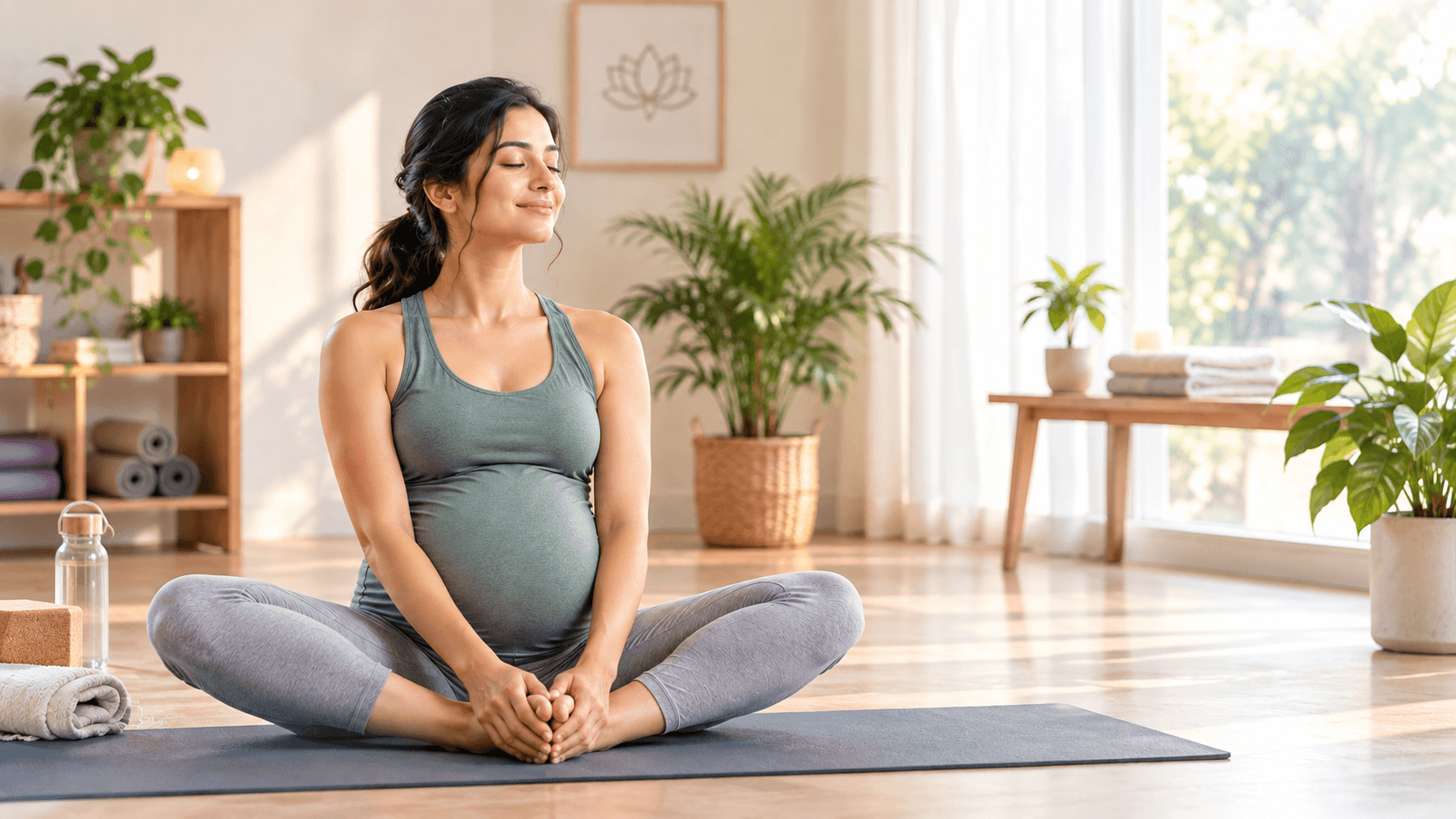
Prenatal Yoga: Benefits, Safe Poses and Precautions for Every Trimester
Pregnancy is a beautiful journey that brings physical changes, emotional experiences and new responsibilities. Prenatal yoga is a gentle form of exercise that combines mindful breathing, modified yoga poses, stretching and relaxation to support overall well-being during pregnancy.
When practiced appropriately and with guidance from a healthcare professional, prenatal yoga may help reduce stress, improve flexibility, support better sleep and ease common discomforts such as back pain. Every pregnancy is different, so consult your healthcare provider before starting.
What Is Prenatal Yoga?
Prenatal yoga is a modified form of yoga designed for pregnant women. It focuses on gentle movements, comfortable postures, breathing awareness and relaxation. Cushions, yoga blocks and chairs can provide additional support.
Benefits of Prenatal Yoga During Pregnancy
1. Helps Manage Stress and Anxiety
Gentle yoga and mindful breathing may encourage relaxation and help you feel calmer during pregnancy.
2. May Reduce Back and Muscle Discomfort
Modified stretches may improve mobility and ease some common muscular discomfort associated with changing posture.
3. Supports Better Sleep
Relaxation techniques may help you unwind and establish a calming bedtime routine.
4. Improves Flexibility and Body Awareness
Gentle movements can help you become more aware of your posture, balance and comfort levels.
5. Encourages Mindful Breathing
Comfortable breathing exercises may help you practise relaxation and manage everyday stress.
6. Promotes Gentle Physical Activity
For women with uncomplicated pregnancies, modified yoga can be one part of an active lifestyle.
Safe Yoga Poses for Every Trimester
Choose gentle movements that feel comfortable. Modify or skip any pose that causes discomfort.
First Trimester: Weeks 1–13
Supported Butterfly Pose (Buddha Kon asana): Sit comfortably with the soles of your feet together. Support your knees with cushions if needed.
Gentle Cat-Cow Pose (Margaryizing–Biti asana): On your hands and knees, gently round your back and return to a comfortable neutral position while breathing naturally.
Easy Pose (Sukh asana): Sit on a cushion with your back supported and shoulders relaxed.
Take breaks if you experience fatigue or nausea. Avoid overheating and forceful breathing.
Second Trimester: Weeks 14–27
Supported Warrior II (Varadharajan II): Stand with your feet comfortably apart and use a sturdy chair or wall for balance.
Gentle Cat Pose: On your hands and knees, slowly round your back without forcing the movement.
Supported Side Stretch: Gently lengthen one side of your body while keeping your balance and avoiding abdominal compression.
Avoid prolonged flat-on-your-back positions, particularly as pregnancy progresses.
Third Trimester: Weeks 28–40
Supported Butterfly Pose: Sit on a cushion and support your thighs with pillows if needed.
Supported Standing Pose: Stand near a wall or sturdy chair, keeping your knees relaxed and your breathing natural.
Side-Lying Relaxation: Lie on your side with pillows supporting your head, abdomen and knees.
Priorities stability and comfort. Avoid poses that challenge your balance or put pressure on your abdomen.
These are general examples, not a personalized exercise prescription. Ask your healthcare provider and a prenatal-trained yoga instructor which movements are suitable for you.
Essential Precautions for Prenatal Yoga
- Consult your healthcare provider before beginning or changing your exercise routine.
- Choose an instructor trained in prenatal yoga.
- Avoid hot yoga and excessive heat.
- Stay hydrated and take breaks when needed.
- Do not overstretch or force difficult poses.
- Avoid unsupported inversions, intense backbends, deep twists and poses with a high risk of falling.
- Modify positions if lying on your back causes discomfort or dizziness.
- Avoid forceful breathing and breath retention.
- Stop if you feel pain, dizziness or unusual discomfort.
When Should You Stop Prenatal Yoga?
Stop exercising and seek prompt medical advice if you experience vaginal bleeding, fluid leaking from the vagina, painful regular contractions, chest pain, dizziness, faintness, unusual shortness of breath, a severe headache or calf pain or swelling. Seek urgent care for severe symptoms.
A Simple Prenatal Yoga Routine for Beginners
After healthcare approval, a gentle routine might include:
- 2 minutes of comfortable seated breathing.
- 3 minutes of gentle shoulder rolls and neck movements.
- 3 minutes of modified Cat-Cow movements, if comfortable.
- 3 minutes of supported Butterfly Pose.
- 3 minutes of side-lying relaxation.
This is an illustrative routine, not a prescribed programme. Adjust it to your comfort and your clinician's advice.
Frequently Asked Questions About Prenatal Yoga
Is prenatal yoga safe during pregnancy?
It may be appropriate for many women with uncomplicated pregnancies when movements are modified and a healthcare provider approves.
### When can I start prenatal yoga?
The appropriate time depends on your health and pregnancy. Consult your obstetrician or midwife before starting.
Can beginners practise yoga during pregnancy?
Many beginners can explore gentle prenatal yoga after medical clearance and with a qualified instructor.
Which yoga poses should be avoided?
Avoid hot yoga, high-fall-risk poses, intense abdominal compression, deep twists, forceful backbends and unsupported inversions.
Can prenatal yoga help prepare for childbirth?
It may support relaxation and body awareness, but it cannot guarantee a shorter labour or a particular birth outcome.
How often should I practise prenatal yoga?
Frequency and duration depend on your health and healthcare provider's advice. Begin gradually and avoid pushing through fatigue or discomfort.
Conclusion
Prenatal yoga can be a valuable way to include gentle movement, mindful breathing and relaxation in your pregnancy routine. Adapting your practice to your changing body and prioritising comfort are essential.
At Pure Lifestyle Yoga, we believe mindful movement and self-care can help you build a balanced wellness routine. Make your pregnancy practice gentle, informed and supportive of your individual needs.
Disclaimer: This article is for general educational purposes only and does not replace medical advice, diagnosis or treatment. Consult your obstetrician or qualified healthcare professional before starting prenatal yoga.
Enjoy writing like this?
Considered pieces on practice and wellbeing — never a marketing blast.