

30 August 2026 · 8 min read
Pranayama for Beginners: 5 Breathing Techniques for Daily Wellness
By Pure Lifestyle Yoga
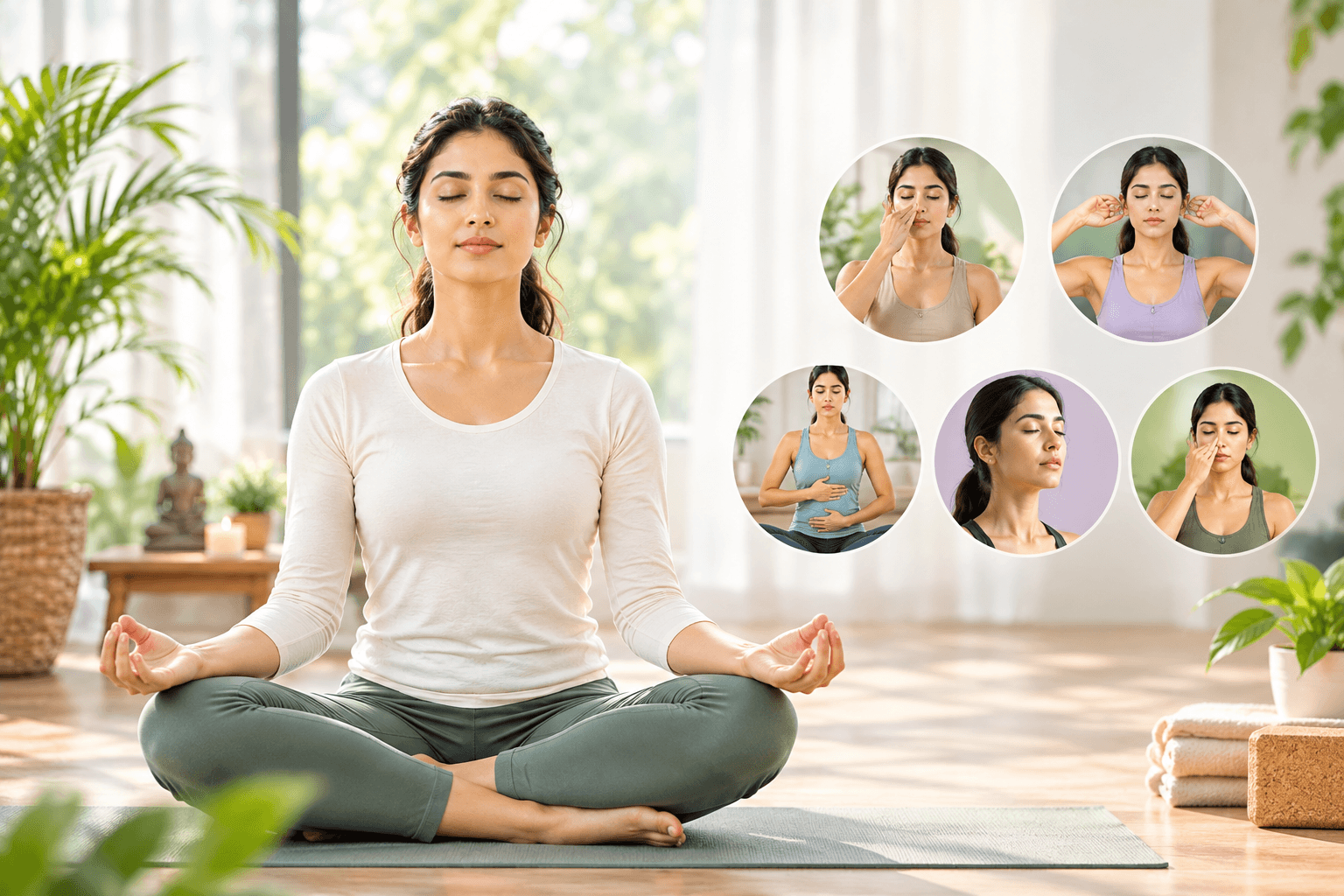
Pranayama for Beginners: 5 Breathing Techniques for Daily Wellness
Introduction
In today's busy world, stress, long working hours, and constant screen time can make it difficult to find moments of peace. Sometimes, one of the simplest ways to reconnect with yourself is to pause and focus on your breathing.
Pranayama, an important practice in yoga, involves consciously observing and regulating the breath. The word is traditionally associated with the Sanskrit term's prana, meaning life force, and agama, meaning expansion or regulation.
For beginners, pranayama can be a gentle way to develop breathing awareness, cultivate relaxation, and establish a more mindful lifestyle. You do not need expensive equipment or a large space to begin. A comfortable place, a few quiet minutes, and a willingness to practice consistently are enough.
In this guide, we will explore five easy pranayama techniques for beginners, their potential wellness benefits, and how you can incorporate them into your daily routine.
What Is Pranayama?
Pranayama is the practice of consciously working with the breath as part of traditional yoga. It may involve slow breathing, alternating the flow of air through the nostrils, or practicing specific breathing patterns.
Unlike ordinary breathing, pranayama encourages you to pay attention to the rhythm, depth, and comfort of each breath.
Regular, gentle breathing practice may help promote relaxation, improve awareness of breathing habits, and support stress management. Different techniques have different purposes, so beginners should start with simple practices and avoid forcing the breath.
5 Pranayama Breathing Techniques for Beginners
1. Anulom Vilom (Alternate Nostril Breathing)
Anulom Vilom is a popular yogic breathing technique that involves breathing through one nostril at a time. It encourages concentration and helps you develop awareness of your breathing rhythm.
Potential benefits:
Encourages calmness and relaxation.
Helps develop focused attention.
Supports mindful breathing habits.
Can become a peaceful part of a daily yoga routine.
How to practice Anulom Vilom:
Sit comfortably with your back upright and shoulders relaxed.
Gently close your right nostril with your thumb.
Inhale slowly through your left nostril.
Close your left nostril and release your right nostril.
Exhale gently through your right nostril.
Inhale through your right nostril, then switch sides and exhale through your left.
Continue for 3–5 comfortable rounds.
Beginner tip: Breathe naturally without holding your breath. Keep the inhalation and exhalation smooth and comfortable.
2. Bhramari Pranayama (Humming Bee Breathing)
Bhramari Pranayama is also known as humming bee breathing because it involves producing a gentle humming sound while exhaling. The sound and vibration can make this practice feel soothing and meditative.
Potential benefits:
Encourages relaxation.
Helps shift attention away from distracting thoughts.
Promotes mindful awareness of the breath.
May support a calming bedtime routine.
How to practice Bhramari Pranayama:
Sit in a comfortable position in a quiet space.
Close your eyes gently if you feel comfortable doing so.
Take a slow, natural breath in through your nose.
Exhale slowly while making a soft humming sound.
Notice the gentle vibration without straining your throat.
Repeat for 5 comfortable rounds.
Beginner tip: Keep the humming soft and relaxed. There is no need to make a loud sound or extend your exhalation beyond your comfort level.
3. Diaphragmatic Breathing (Belly Breathing)
Diaphragmatic breathing, commonly called belly breathing, focuses on using the diaphragm efficiently during breathing. It is a simple technique for people who are new to yoga or breathing exercises.
Potential benefits:
Encourages slower, more controlled breathing.
Can help promote relaxation.
Improves awareness of breathing patterns.
May help reduce feelings of tension associated with stress.
How to practice diaphragmatic breathing:
Lie on your back with your knees bent or sit comfortably in a chair.
Place one hand on your chest and the other on your abdomen.
Breathe in gently through your nose, allowing your abdomen to rise naturally.
Breathe out slowly without forcing your stomach inward.
Keep your shoulders and upper chest as relaxed as possible.
Continue for 2–5 minutes.
Beginner tip: Do not try to take the biggest breath possible. Gentle, comfortable breathing is more important than breathing deeply.
4. Ujjayi Pranayama (Ocean Breath)
Ujjayi Pranayama is a yogic breathing technique often used during yoga asana practice. It creates a soft, ocean-like sound through gentle narrowing of the throat while breathing.
Potential benefits:
Encourages concentration during yoga.
Helps maintain awareness of breathing.
Can support a steady rhythm during gentle movement.
May promote a more mindful yoga experience.
How to practice Ujjayi Pranayama:
Sit comfortably with your spine naturally upright.
Inhale gently through your nose.
Slightly narrow the back of your throat, as if softly fogging a mirror with your mouth closed.
Exhale through your nose while maintaining a subtle, smooth sound.
Continue breathing comfortably for 5–10 breaths.
Beginner tip: The sound should be soft, not loud or forced. If you feel throat discomfort, difficulty breathing, or dizziness, return to normal breathing.
5. Nadi Shoshana (Alternate Nostril Purification Breathing)
Nadi Shoshana is another traditional alternate-nostril breathing practice. It is commonly associated with cultivating balance, concentration, and mental calmness.
Although Nadi Shoshana and Anulom Vilom are often used interchangeably in modern yoga classes, some yoga traditions distinguish between them based on breathing patterns and whether breath retention is included.
For beginners, a gentle version without breath retention is a suitable place to start.
Potential benefits:
Encourages steady, attentive breathing.
Supports relaxation and concentration.
Helps establish a mindful daily routine.
May help create a sense of calm before meditation.
How to practice Nadi Shoshana:
Sit comfortably and relax your shoulders.
Close your right nostril gently.
Inhale through your left nostril.
Switch nostrils and exhale through your right.
Inhale through your right nostril.
Switch again and exhale through your left.
Repeat for 3–5 rounds, breathing without strain.
Beginner tip: Keep the breathing quiet and natural. Avoid breath retention until you have appropriate guidance from an experienced yoga teacher.
Best Time to Practice Pranayama
You can practice gentle pranayama at different times of the day, depending on your schedule and comfort.
Morning: A short breathing session can help you begin your day with greater awareness and a calm, focused mindset.
During a work break: A few minutes of comfortable breathing can provide a mindful pause between tasks.
Evening: Gentle breathing exercises may help you transition from a busy day into a more relaxed routine.
Before meditation: Simple breathing practices can help you settle into a comfortable sitting position and focus your attention.
Choose a quiet, well-ventilated place and avoid practicing immediately after a heavy meal. Consistency matters more than the length of each session.
A Simple 10-Minute Daily Pranayama Routine
If you are new to pranayama, start with a short routine rather than attempting every technique for a long time.
DurationPractice2 minutes Sit comfortably and observe your natural breathing.2 minutes Practice diaphragmatic breathing.2 minutes Practice gentle Anuloma Vilom.2 minute Practice Bhramari Pranayama.2 minutes Sit quietly and return to normal breathing.
Adjust the duration according to your comfort. You can also choose just one technique and practice it consistently before adding another.
Common Mistakes Beginners Should Avoid
Pranayama should feel controlled and comfortable, not exhausting. Keep these common mistakes in mind:
1. Forcing deep breaths: Taking excessively deep or rapid breaths can cause dizziness or tingling. Breathe gently and naturally.
2. Holding the breath unnecessarily: Breath retention is not essential for beginners. Start without holding your breath.
3. Practicing for too long: Begin with a few minutes and gradually increase the duration if you remain comfortable.
4. Ignoring body signals: Stop the exercise and return to normal breathing if you experience dizziness, breathlessness, chest discomfort, or unusual anxiety.
5. Expecting immediate results: Relaxation and focus may improve gradually, but experiences differ from person to person.
6. Practicing with incorrect technique: Consider learning from a qualified yoga instructor, especially before attempting advanced pranayama practices.
Safety Tips for Practicing Pranayama
Gentle pranayama is generally accessible to many people, but not every technique is appropriate for everyone.
Practice in a comfortable seated position without straining your back or neck.
Avoid forceful breathing and prolonged breath retention as a beginner.
Do not practice while driving, swimming, or operating machinery.
If you have a respiratory or cardiovascular condition, are pregnant, or have concerns about your health, consult a qualified healthcare professional before beginning unfamiliar breathing practices.
Stop if you feel dizzy, faint, short of breath, or unwell.
Pranayama should complement, not replace, appropriate medical care.
Frequently Asked Questions About Pranayama for Beginners
1. Which pranayama is best for beginners?
Diaphragmatic breathing, gentle Anulom Vilom, and Bhramari Pranayama are accessible starting points for many beginners. Choose a technique that feels comfortable and learn the correct method.
2. How long should beginners practice pranayama?
Start with 5–10 minutes a day, or even just a few minutes if needed. Increase the duration gradually according to your comfort and the guidance of your instructor.
3. Can pranayama help reduce stress?
Gentle, slow breathing practices may support relaxation and help manage feelings of stress. They are not a substitute for professional treatment when stress or anxiety is persistent or severe.
4. Is it better to practice pranayama in the morning or evening?
Both can be suitable. Morning practice may help you establish a mindful start to the day, while gentle evening breathing may help you unwind. Choose a time you can maintain consistently.
5. Can I practice pranayama every day?
Many people incorporate gentle breathing exercises into their daily routine. Begin gradually, avoid forceful techniques, and adjust your practice according to how you feel.
6. Should I hold my breath during pranayama?
Beginners can practice the techniques in this guide without breath retention. Advanced breathing practices involving breath holds should be learned under appropriate professional guidance.
Start with one mindful breath at a time, and make daily wellness a habit.
Enjoy writing like this?
Considered pieces on practice and wellbeing — never a marketing blast.