

28 August 2026 · 9 min read
Morning Yoga Routine: 15 Minutes to Start Your Day with Energy
By Pure Lifestyle Yoga
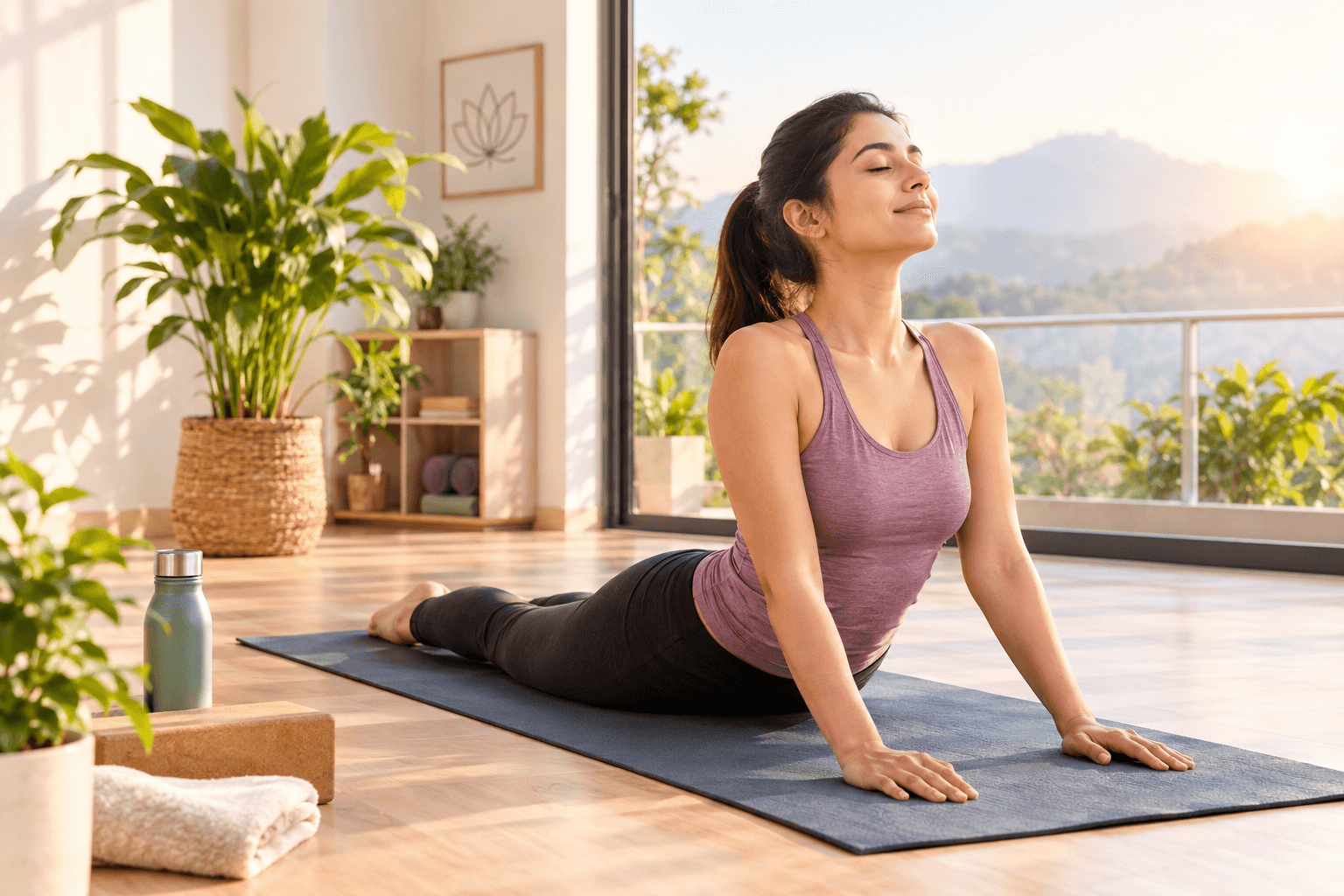
Morning Yoga Routine: 15 Minutes to Start Your Day with Energy
Starting your morning with yoga is a simple and effective way to bring more energy, flexibility, and positivity into your daily life. Instead of rushing into your day feeling tired or stressed, spending just 15 minutes on a morning yoga routine can help you wake up your body, calm your mind, and prepare yourself for the day ahead.
Whether you are a beginner, a working professional, a student, or someone looking to build a healthier lifestyle, morning yoga offers a gentle way to introduce movement and mindfulness into your routine.
In this guide, you will discover a simple 15-minute morning yoga routine, its benefits, and practical tips to make yoga a consistent part of your everyday life.
Why Should You Practice Yoga in the Morning?
Morning is an excellent time to establish a healthy routine because it allows you to focus on yourself before daily responsibilities begin. Gentle yoga movements can help reduce stiffness after sleep, improve body awareness, and encourage a calm and positive mindset.
Regular yoga practice may also support flexibility, balance, posture, and stress management. When combined with deep breathing, it can help you begin the day feeling more focused and refreshed.
You do not need an expensive setup or hours of free time. A yoga mat, comfortable clothing, and 15 minutes are enough to get started.
15-Minute Morning Yoga Routine for Energy
This beginner-friendly morning yoga sequence combines gentle stretching, breathing exercises, and simple yoga poses. Move slowly, breathe naturally, and avoid forcing your body into any position.
1. Deep Breathing (2 Minutes)
Begin by sitting comfortably on your yoga mat with your back straight and shoulders relaxed. Close your eyes if comfortable, and bring your attention to your breathing.
Inhale gently through your nose, allowing your abdomen to expand naturally. Exhale slowly and release unnecessary tension from your shoulders and face.
Benefits:
Encourages relaxation and mental clarity.
Helps you become more aware of your breathing.
Creates a calm transition from sleep to daily activity.
Start your morning by giving yourself a few quiet moments before moving into the physical poses.
2. Cat-Cow Pose (2 Minutes)
Cat-Cow Pose is a gentle movement that helps warm up the spine and improve awareness of your posture.
Start on your hands and knees, keeping your wrists under your shoulders and knees under your hips.
As you inhale, gently lift your chest and tailbone while keeping your neck comfortable. As you exhale, round your back gently and bring your chin slightly toward your chest.
Repeat the movement slowly, coordinating each movement with your breath.
Benefits:
Encourages spinal mobility.
Gently stretches the back and torso.
Helps reduce the feeling of stiffness after waking up.
3. Mountain Pose (1 Minute)
Stand tall with your feet comfortably apart or together, whichever feels more stable. Distribute your weight evenly across both feet, relax your shoulders, and lengthen your spine.
Keep your arms relaxed by your sides and take several steady breaths.
Benefits:
Builds awareness of standing posture.
Encourages balance and stability.
Helps you feel grounded and prepared for the day.
Although Mountain Pose looks simple, it teaches you to stand with greater awareness and control.
4. Upward Salute (1 Minute)
From Mountain Pose, inhale and slowly raise your arms overhead. Keep your shoulders relaxed and your ribs from flaring excessively. Stretch upward without straining your neck or lower back.
If raising your arms overhead is uncomfortable, keep them lower or place your hands on your hips.
Benefits:
Gently stretches the shoulders and sides of the body.
Encourages an upright posture.
Helps bring movement into your morning routine.
5. Standing Forward Bend (2 Minutes)
Stand with your feet hip-width apart. Slowly bend forward from your hips, keeping your knees slightly bent if necessary. Allow your head and neck to relax without pulling on them.
Rest your hands on your shins, a yoga block, or the floor, depending on your flexibility. Come out of the pose slowly to avoid dizziness.
Benefits:
Stretches the hamstrings and back of the legs.
Encourages flexibility in the hips.
Provides a gentle release for the back and shoulders.
Never force yourself to touch the floor. Your comfort and alignment are more important than achieving a particular shape.
6. Low Lunge (2 Minutes)
Step one foot forward and lower the opposite knee onto a padded mat. Keep your front knee comfortably aligned over your ankle and place your hands on your front thigh or the mat for support.
Gently shift your hips forward until you feel a mild stretch at the front of the back hip. Hold for several breaths, then switch sides.
Benefits:
Stretches the hip flexors.
Encourages mobility after long periods of sitting.
Helps prepare your body for everyday movement.
Use extra padding under your knee and keep the stretch gentle. Skip this pose if it causes pain.
7. Child's Pose (2 Minutes)
Kneel on your mat and slowly lower your hips toward your heels. Extend your arms forward or rest them alongside your body. If your hips do not comfortably reach your heels, place a cushion between your thighs and calves.
Breathe slowly and allow your shoulders to relax.
Benefits:
Encourages relaxation.
Gently stretches the hips and back.
Provides a quiet moment before beginning your day.
If kneeling is uncomfortable, choose a comfortable seated position and take several slow breaths instead.
8. Final Mindful Breathing (3 Minutes)
Finish your routine by sitting comfortably. Relax your shoulders, soften your facial muscles, and bring your attention back to your breath.
Breathe naturally without holding your breath or forcing it to become unusually slow. Notice how your body feels after moving and stretching.
You can also choose a positive intention for the day, such as:
I will approach today with calmness and confidence.
I will take care of my body and mind.
I will focus on progress rather than perfection.
This final moment of mindfulness helps you transition from your yoga practice into your daily activities.
Total duration: 15 minutes. Adjust the timings to suit your comfort and experience.
Benefits of a 15-Minute Morning Yoga Routine
A short daily yoga practice can become a valuable part of a balanced lifestyle. Here are some potential benefits of practicing consistently.
1. Helps You Feel More Awake
Gentle movement and mindful breathing can help you transition from rest to activity. Yoga is not a substitute for adequate sleep, but it can be a refreshing way to begin the morning.
2. Improves Flexibility and Mobility
Regular stretching may gradually improve your range of motion and help your body feel less stiff, especially after a night of rest or long hours of sitting.
3. Supports Stress Management
Yoga combines movement, breathing, and attention to the present moment. These elements may help you manage everyday stress and cultivate a calmer mindset.
4. Encourages Better Posture
Poses that develop body awareness can help you notice how you sit, stand, and move throughout the day. Consistent practice may support healthier movement habits.
5. Builds a Consistent Healthy Habit
A 15-minute routine is manageable for many people, even on busy mornings. Starting with a short practice can make it easier to stay consistent rather than setting an unrealistic goal.
Morning Yoga Tips for Beginners
If you are new to yoga, keep your routine simple and focus on how your body feels rather than how a pose looks.
Start slowly: Begin with gentle movements and increase the intensity gradually.
Practice on a comfortable surface: Use a non-slip yoga mat and supportive clothing.
Breathe naturally: Avoid holding your breath or forcing deep breathing.
Stay hydrated: Drink water according to your needs before or after your practice.
Avoid comparing yourself with others: Flexibility and strength develop at different rates.
Create a regular schedule: Choose a time that fits comfortably into your morning.
Listen to your body: Stop if you experience sharp pain, dizziness, numbness, or unusual discomfort.
If you have an existing medical condition, an injury, balance difficulties, or are pregnant, seek appropriate professional guidance about which poses are suitable for you.
What Is the Best Time to Do Morning Yoga?
The best time to practice morning yoga is the time you can follow consistently. Some people prefer yoga immediately after waking up, while others enjoy practicing after drinking water and freshening up.
If your body feels stiff in the morning, begin with gentle breathing and small movements before attempting deeper stretches. You do not need to practice on an empty stomach if that makes you feel uncomfortable; choose an approach that suits your needs.
Consistency matters more than following a strict schedule.
How to Make Morning Yoga a Daily Habit
Building a lasting yoga habit does not require a major lifestyle change. Start with a few practical steps:
Keep your yoga mat ready the night before.
Set aside 15 minutes in your morning schedule.
Begin with the same simple sequence for the first few weeks.
Track your consistency instead of focusing only on flexibility.
Celebrate small improvements in how you feel and move.
Over time, your morning yoga routine can become a peaceful part of your day rather than another task on your to-do list.
Frequently Asked Questions (FAQs)
Is 15 minutes of morning yoga enough?
Yes. Fifteen minutes can be a useful starting point for gentle movement, flexibility, breathing, and relaxation. You can gradually extend your practice as your comfort and goals change.
Is morning yoga suitable for beginners?
Yes. Beginners can start with simple poses, comfortable movements, and natural breathing. Use modifications when needed and avoid forcing stretches.
Can morning yoga help reduce stress?
Yoga may help with stress management by combining movement, mindful breathing, and relaxation. Individual experiences vary, and yoga should complement other appropriate forms of support when needed.
Should I eat before morning yoga?
For a gentle 15-minute routine, choose what feels comfortable for your body. Some people prefer practicing before breakfast, while others prefer a light snack beforehand. Avoid exercising in a way that leaves you feeling uncomfortable.
How many days a week should I practice morning yoga?
You can start with three to five days a week and gradually develop a schedule that works for you. Gentle daily movement may also be suitable if it feels comfortable and allows enough recovery.
Can morning yoga improve energy levels?
Gentle movement and breathing may help you feel more refreshed and ready for daily activities. However, persistent fatigue can have many causes, and yoga cannot replace adequate sleep or medical advice when needed.
Your morning is a fresh opportunity to move, breathe, and feel better.
Enjoy writing like this?
Considered pieces on practice and wellbeing — never a marketing blast.