

21 August 2026 · 8 min read
Morning Yoga: 10 Best Yoga Poses to Start Your Day
By pure Lifestyle Yoga
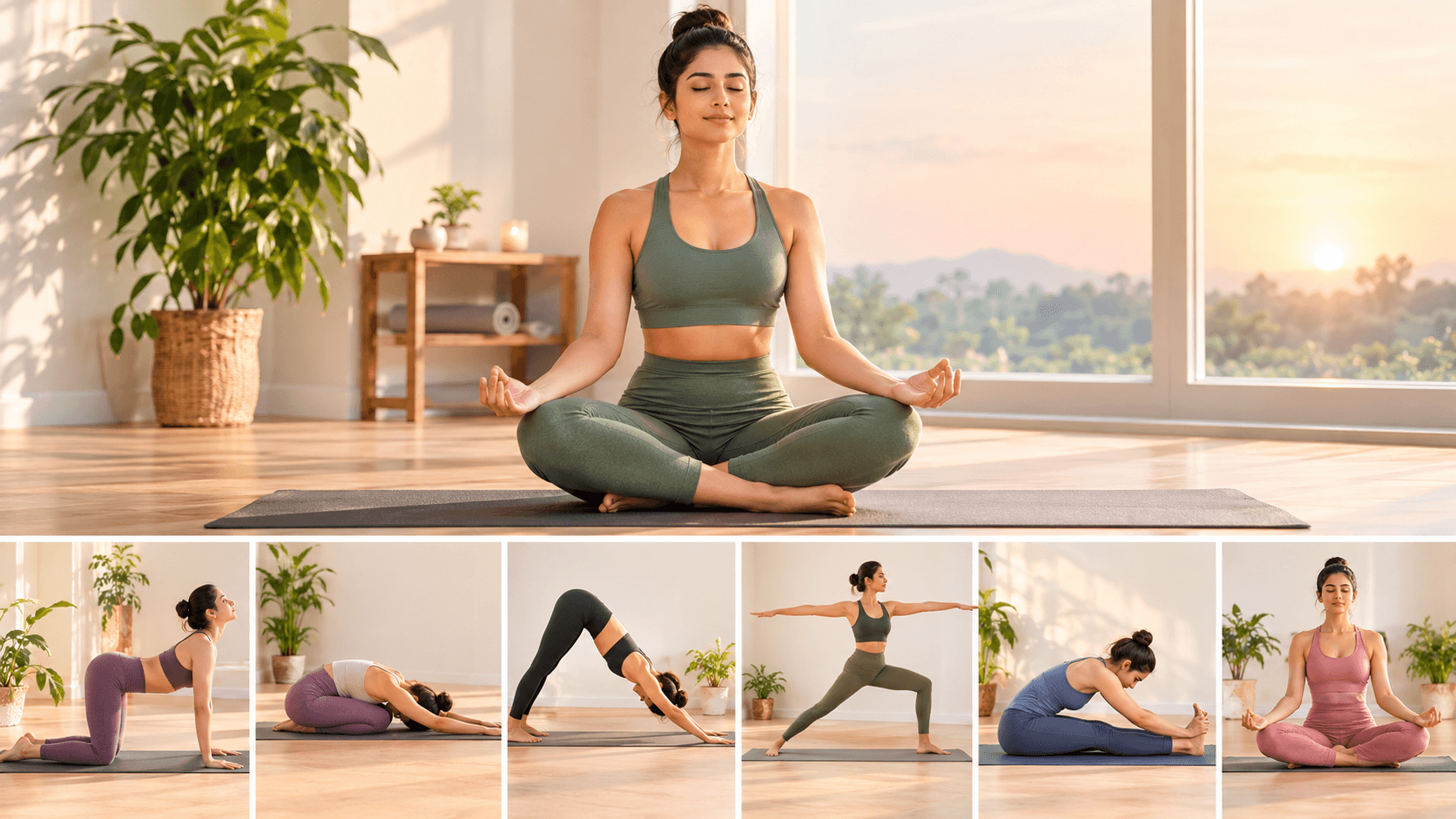
Morning Yoga: 10 Best Yoga Poses to Start Your Day
Starting your day with morning yoga can be a simple and effective way to wake up your body, calm your mind, and prepare yourself for the day ahead. Whether you are a beginner or already practice yoga regularly, a short morning yoga routine can help you create a positive and healthy daily habit.
In this guide, we will explore the 10 best yoga poses to start your day, along with tips for creating an easy morning yoga routine at home.
Why Practice Yoga in the Morning?
Morning is a great time to practice yoga because your mind is usually quieter and your body can benefit from gentle movement after several hours of rest.
A regular morning yoga routine may help support:
- Better flexibility and mobility
- Improved body awareness
- Gentle stretching of tight muscles
- Relaxation and stress management
- Better focus and mindfulness
- A positive start to the day
- Consistency in your fitness routine
You don't need to spend hours practicing yoga. Even 10–20 minutes of yoga in the morning can become a valuable part of your daily routine.
10 Best Yoga Poses to Start Your Morning
1. Cat-Cow Pose (Marjaryasana-Bitilasana)
Cat-Cow is an excellent gentle movement to begin your morning yoga routine.
Start on your hands and knees. As you inhale, gently lift your chest and tailbone. As you exhale, round your spine and bring your chin slightly toward your chest.
Benefits:
- Gently moves the spine
- Helps loosen the back
- Encourages mindful breathing
- Prepares the body for further movement
Move slowly and coordinate each movement with your breath.
2. Child's Pose (Balasana)
Child's Pose is a calming yoga posture that can be used at the beginning or end of your practice.
Kneel on the floor, sit your hips toward your heels, and gently extend your arms forward. Allow your forehead to rest comfortably toward the floor or on a support if needed.
Benefits:
- Promotes relaxation
- Provides a gentle stretch
- Encourages slow breathing
- Helps you transition into your practice
Stay in the pose for several comfortable breaths.
3. Downward-Facing Dog (Adho Mukha Svanasana)
Downward-Facing Dog is one of the most commonly practiced yoga poses. It can be a great addition to a morning yoga routine for beginners when performed comfortably.
Start on your hands and knees, then lift your hips upward while keeping your hands firmly grounded.
Benefits:
- Stretches the back of the body
- Encourages full-body movement
- Helps improve body awareness
- Builds familiarity with foundational yoga positions
Beginners can keep their knees slightly bent rather than forcing the legs straight.
4. Mountain Pose (Tadasana)
Mountain Pose may look simple, but it teaches important principles of posture, balance, and awareness.
Stand tall with your feet comfortably positioned. Relax your shoulders, lengthen your spine, and breathe slowly.
Benefits:
- Encourages better postural awareness
- Improves balance
- Helps develop mindfulness
- Provides a simple standing foundation
Take several slow breaths while maintaining a relaxed posture.
5. Standing Forward Fold (Uttanasana)
Standing Forward Fold is a gentle way to stretch the back of your legs and encourage mindful movement.
Stand with your feet comfortable apart and slowly fold forward from your hips. Keep your knees slightly bent if necessary.
Benefits:
- Gently stretches the hamstrings
- Encourages flexibility
- Helps release tension in the back of the body
- Can be incorporated into a simple morning sequence
Never force yourself deeper into the pose. Comfort and controlled breathing are more important than reaching the floor.
6. Cobra Pose (Bhujangasana)
Cobra Pose is commonly included in yoga sequences that focus on gentle spinal extension.
Lie on your stomach with your hands near your shoulders. Slowly lift your chest while keeping the movement controlled and comfortable.
Benefits:
- Encourages spinal mobility
- Opens the front of the body
- Strengthens awareness of posture
- Adds variety to your morning yoga practice
Avoid pushing into discomfort, especially in the lower back.
7. Low Lunge (Anjaneyasana)
Low Lunge is a useful pose for gently opening the hips and stretching the front of the body.
Step one foot forward and bring the opposite knee down. Keep your front knee comfortable and your upper body relaxed.
Benefits:
- Stretches the hip area
- Encourages lower-body mobility
- Helps prepare the body for daily movement
- Works well in beginner-friendly yoga sequences
Use a yoga block or other support if you need additional stability.
8. Warrior II (Virabhadrasana II)
Warrior II is a standing posture that combines balance, stability, and mindful movement.
Step your feet apart, turn one foot outward, bend the front knee comfortably, and extend your arms in opposite directions.
Benefits:
- Builds lower-body strength
- Challenges balance and stability
- Encourages concentration
- Develops body awareness
Keep the front knee aligned comfortably with the direction of your foot and avoid forcing the position.
9. Seated Forward Fold (Paschimottanasana)
Seated Forward Fold can be included toward the later part of your morning yoga session.
Sit with your legs extended and gently lean forward from your hips. You do not need to reach your toes.
Benefits:
- Encourages flexibility
- Provides a gentle stretch to the back of the legs
- Promotes slower breathing
- Can help transition toward relaxation
Keep your spine comfortable and avoid bouncing or forcing the stretch.
10. Easy Pose with Deep Breathing (Sukhasana)
Finish your morning yoga routine with a comfortable seated position.
Sit comfortably, close your eyes if you wish, relax your shoulders, and take several slow, steady breaths.
Spend a few minutes simply focusing on your breathing.
Benefits:
- Encourages mindfulness
- Helps calm the mind
- Provides a peaceful end to your practice
- Helps you transition into your day with greater awareness
A Simple 15-Minute Morning Yoga Routine
If you are new to yoga, you don't need a complicated routine. Try this simple sequence:
1–2 minutes: Deep breathing
2 minutes: Cat-Cow Pose
1 minute: Child's Pose
2 minutes: Downward-Facing Dog
2 minutes: Low Lunge
2 minutes: Warrior II
2 minutes: Cobra Pose
2 minutes: Seated Forward Fold
1–2 minutes: Easy Pose and relaxed breathing
Practice at a comfortable pace and modify poses when necessary.
Tips for Practicing Morning Yoga
To make your morning yoga practice more consistent, keep these simple tips in mind:
Practice Consistently
You don't have to practice for an hour every day. A short routine that you can maintain consistently is often easier to make into a long-term habit.
Start Gently
Your body may feel stiff after waking up. Begin with gentle movements and gradually increase the intensity.
Focus on Your Breathing
Try to coordinate your movement with slow, comfortable breathing. Yoga is not simply about performing poses; breathing and awareness are important parts of the practice.
Don't Force a Pose
Flexibility develops gradually. Never push your body into pain just to achieve a deeper stretch.
Create a Comfortable Space
A quiet, clean space with a yoga mat can make it easier to focus on your practice.
Is Morning Yoga Good for Beginners?
Yes. Morning yoga can be suitable for beginners when the practice is adapted to their comfort, mobility, and experience level.
If you are new to yoga, start with simple poses such as Mountain Pose, Child's Pose, Cat-Cow, and Easy Pose. As you become more comfortable, you can gradually add more postures to your routine.
If you have an injury, medical condition, or persistent pain, consider speaking with an appropriate healthcare professional before starting a new exercise routine.
How Long Should You Do Yoga in the Morning?
There is no single perfect duration for everyone.
Beginners can start with 10–15 minutes of morning yoga and gradually increase the duration as they become more comfortable. Some people may prefer 20–30 minutes, while others may enjoy a longer practice.
The most important thing is to find a routine that fits comfortably into your lifestyle.
Frequently Asked Questions About Morning Yoga
1. What is the best yoga pose to start the morning?
Gentle poses such as Cat-Cow, Child's Pose, and Mountain Pose can be good options for beginning a morning yoga session. Choose poses that feel comfortable for your body.
2. Can beginners do morning yoga?
Yes. Beginners can start with simple yoga poses and gradually build their practice. A short, gentle routine is a good starting point.
3. How many minutes of yoga should I do in the morning?
You can start with 10–15 minutes and increase the duration gradually. Consistency is more important than practicing for a specific amount of time.
4. Can I do yoga on an empty stomach?
Many people prefer practicing yoga before breakfast because they feel more comfortable. However, individual preferences vary. Listen to your body and choose what works best for you.
5. Can I do morning yoga at home?
Absolutely. You can practice many beginner-friendly yoga poses at home with a yoga mat and enough space to move comfortably.
6. What should I wear for morning yoga?
Wear comfortable clothing that allows you to move freely. You don't need expensive equipment or special clothing to begin practicing yoga.
Start Your Day With Yoga
A few minutes of mindful movement in the morning can become a simple and enjoyable daily habit. Whether you choose five minutes of breathing exercises or a complete 20-minute morning yoga routine, the goal is to create a practice that feels sustainable for you.
Start slowly, focus on your breathing, respect your body's limits, and gradually build your practice.
Ready to begin your yoga journey? Explore guided yoga sessions and find a practice that fits your lifestyle, whether you prefer practicing at home, online, in a group, or through a personalized yoga session.
Enjoy writing like this?
Considered pieces on practice and wellbeing — never a marketing blast.