

7 June 2026 · 6 min read
Breathwork for Emotional Regulation: How Conscious Breathing Can Help You Manage Stress and Emotions
By Pure Lifestyle Yoga
Life today can feel overwhelming. Work deadlines, family responsibilities, financial pressures, and constant digital connectivity can leave many people feeling stressed, anxious, or emotionally drained.
While emotional ups and downs are a normal part of life, prolonged stress can affect both mental and physical health. Many people search for ways to feel calmer, more focused, and better equipped to handle daily challenges.
One increasingly popular practice is breathwork. Although breathing happens automatically, consciously changing the way we breathe can have a powerful impact on the nervous system and emotional well-being.
Research suggests that structured breathing exercises may help reduce stress, improve mood, enhance focus, and support emotional regulation. Best of all, breathwork requires no equipment and can be practiced almost anywhere.
What Is Breathwork?
Breathwork refers to intentional breathing techniques designed to influence physical, mental, and emotional states.
Unlike normal breathing, breathwork involves consciously controlling the rhythm, depth, and pace of each breath.
Different techniques may focus on:
● Slow breathing
● Deep diaphragmatic breathing
● Rhythmic breathing patterns
● Extended exhalations
● Mindful breath awareness
These practices have been used for centuries in yoga and meditation traditions and are now increasingly studied in modern health research.
What Is Emotional Regulation?
Emotional regulation refers to the ability to recognize, understand, and manage emotional responses in a healthy way.
It does not mean suppressing emotions or avoiding difficult feelings. Instead, it involves responding thoughtfully rather than reacting impulsively.
Healthy emotional regulation can help people:
● Manage stress effectively
● Reduce emotional overwhelm
● Improve relationships
● Enhance decision-making
● Increase resilience
When emotional regulation is poor, individuals may experience heightened stress, anxiety, irritability, or difficulty coping with everyday situations.
How Breathing Affects Emotions
Breathing and emotions are closely connected.
Think about how breathing changes during different emotional states:
● Anxiety often causes rapid, shallow breathing.
● Anger may lead to forceful breathing.
● Fear can create breath-holding patterns.
● Calmness is often associated with slow, steady breathing.
The relationship works both ways. Just as emotions affect breathing, breathing patterns can influence emotions.
Slow, controlled breathing can activate the parasympathetic nervous system, often called the body's "rest and digest" system. This helps counteract the stress response and promotes relaxation.
Benefits of Breathwork for Emotional Regulation
1. Helps Reduce Stress
Stress activates the body's fight-or-flight response, increasing heart rate and stress hormone production.
Breathwork may help calm this response by slowing breathing patterns and encouraging relaxation.
Research has found that controlled breathing techniques can lower perceived stress levels and improve overall well-being.
2. Supports Anxiety Management
Many people unconsciously hyperventilate when anxious.
Breathwork helps restore a slower and more balanced breathing pattern, which may reduce feelings of nervousness and panic.
Regular practice can help individuals feel more grounded during stressful situations.
3. Improves Emotional Awareness
Breathwork encourages people to pause and observe their internal experiences.
This increased awareness can make it easier to recognize emotional triggers before they become overwhelming.
As a result, individuals may respond more thoughtfully rather than reacting automatically.
4. Enhances Focus and Mental Clarity
When stress levels are high, concentration often suffers.
Breathwork may help improve attention by reducing mental clutter and promoting a calmer state of mind.
Many people report feeling more focused and mentally refreshed after a breathing session.
5. Promotes Better Sleep
Stress and racing thoughts can interfere with sleep quality.
Certain breathing exercises may help slow the nervous system before bedtime, making it easier to relax and fall asleep.
Improved sleep can further support emotional balance and resilience.
6. Encourages Mind-Body Connection
Breathwork helps individuals tune into physical sensations and emotional states.
This stronger mind-body connection can improve self-awareness and emotional regulation over time.
Effective Breathwork Techniques for Emotional Regulation
1. Diaphragmatic Breathing
Also known as belly breathing, this technique encourages deeper breaths using the diaphragm rather than the chest.
How to practice:
1. Sit or lie comfortably.
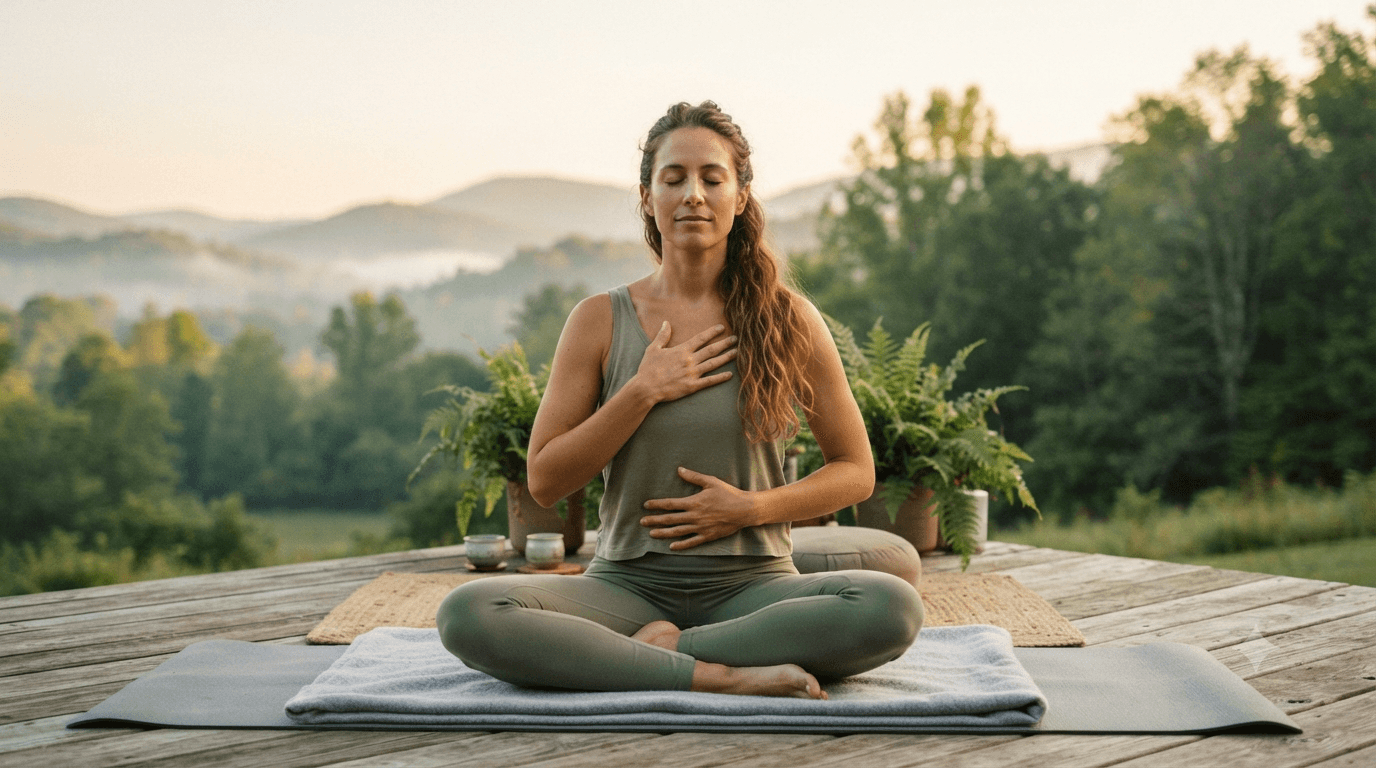
2. Place one hand on the chest and one on the abdomen.
3. Inhale slowly through the nose.
4. Allow the belly to rise.
5. Exhale slowly through the mouth.
Practice for 5–10 minutes daily.
2. Box Breathing
Box breathing is commonly used to improve focus and reduce stress.
How to practice:
● Inhale for 4 seconds.
● Hold for 4 seconds.
● Exhale for 4 seconds.
● Hold for 4 seconds.
Repeat for several rounds.
3. 4-6 Breathing
This technique emphasizes longer exhalations, which can promote relaxation.
How to practice:
● Inhale through the nose for 4 counts.
● Exhale through the mouth for 6 counts.
Repeat for 5–10 minutes.
4. Alternate Nostril Breathing
A traditional yogic breathing practice that may promote calmness and mental balance.
How to practice:
1. Close the right nostril and inhale through the left.
2. Close the left nostril and exhale through the right.
3. Inhale through the right nostril.
4. Switch and exhale through the left.
Continue for several cycles.
When Should You Practice Breathwork?
Breathwork can be incorporated into daily routines in several ways.
Many people find it helpful:
● In the morning to start the day calmly
● Before important meetings or presentations
● During stressful situations
● After work to unwind
● Before bedtime
Even a few minutes of intentional breathing can make a noticeable difference.
Precautions to Consider
Breathwork is generally safe for most people.
However, some intensive breathing techniques may not be suitable for everyone.
Individuals with certain medical conditions, including severe respiratory disorders, cardiovascular conditions, or panic disorders, should consult a healthcare professional before beginning advanced breathwork practices.
If dizziness or discomfort occurs, stop the exercise and return to normal breathing.
Summary
Emotional regulation is an essential part of mental well-being, and breathwork offers a simple yet effective way to support it.
By influencing the nervous system, controlled breathing techniques may help reduce stress, improve emotional awareness, support anxiety management, enhance focus, and promote relaxation.
The best part is that breathwork requires no special equipment and can be practiced almost anywhere. With regular practice, even a few minutes of conscious breathing each day can contribute to greater emotional balance and resilience.
Frequently Asked Questions (FAQs)
Can breathwork really help with emotional regulation?
Yes. Research suggests that controlled breathing techniques can influence the nervous system and support emotional balance, stress management, and relaxation.
How long should I practice breathwork each day?
Even 5–10 minutes daily can provide benefits. Consistency is more important than duration.
Is breathwork the same as meditation?
Not exactly. Breathwork focuses primarily on breathing patterns, while meditation often involves broader mindfulness or awareness practices.
Which breathing technique is best for stress relief?
Diaphragmatic breathing, box breathing, and extended exhalation techniques are commonly used to reduce stress and promote relaxation.
Can breathwork help with anxiety?
Many studies suggest that breathwork may help reduce anxiety symptoms by promoting calmer breathing patterns and nervous system regulation.
References
● National Institutes of Health (NIH)
● Harvard Medical School
● Frontiers in Psychology
● International Journal of Environmental Research and Public Health
● Journal of Clinical Medicine
● American Psychological Association (APA)
Enjoy writing like this?
Considered pieces on practice and wellbeing — never a marketing blast.