

25 August 2026 · 8 min read
10-Minute Yoga Routine for Stress Relief and Everyday Relaxation
By Pure Lifestyle Yoga
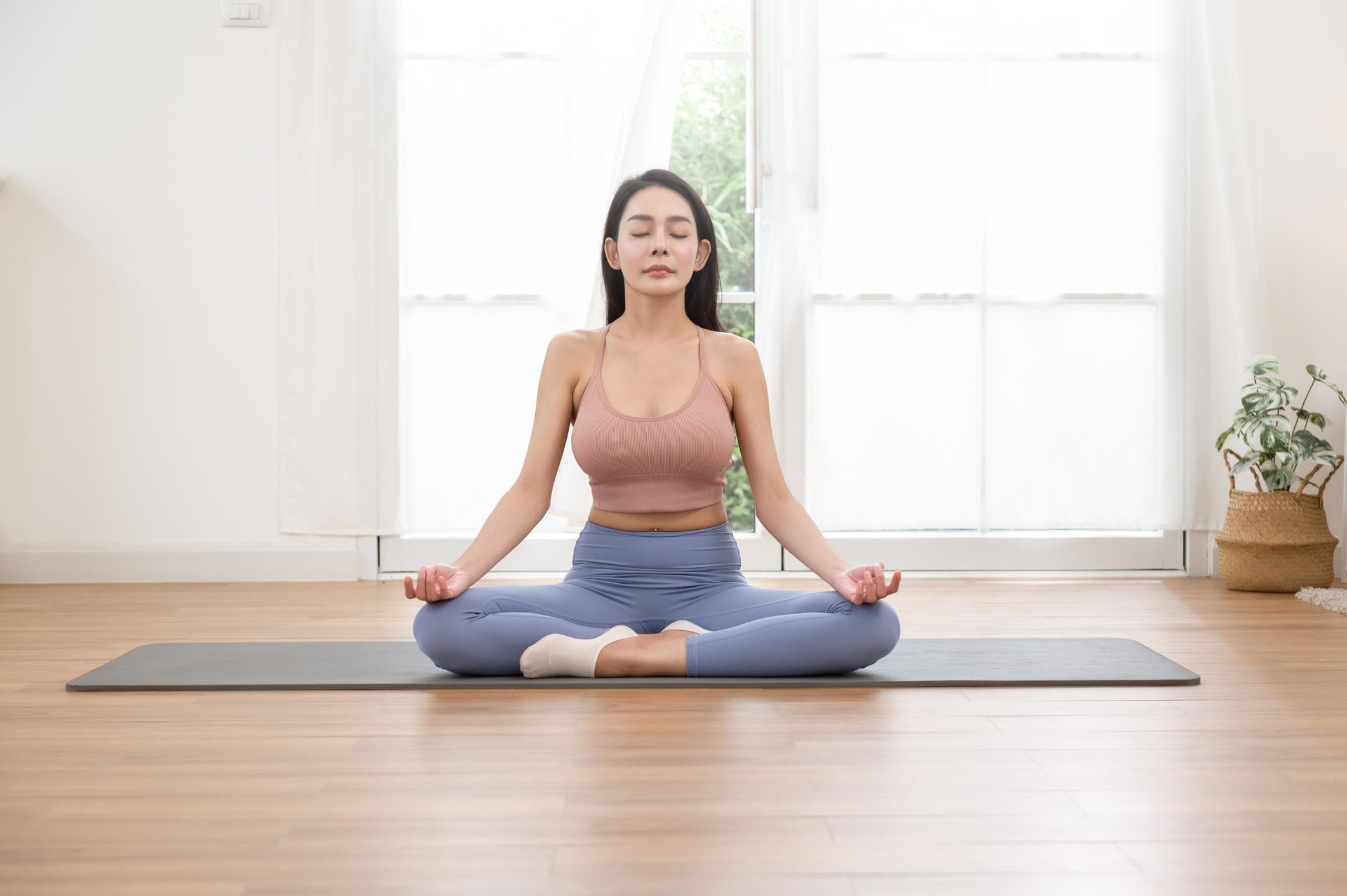
10-Minute Yoga Routine for Stress Relief and Everyday Relaxation
In today’s fast-paced world, stress has become a common part of everyday life. Busy schedules, work pressure, family responsibilities, and constant screen time can leave us feeling mentally exhausted and physically tense. While it may not always be possible to take a long break, dedicating just 10 minutes to yoga can be a simple way to slow down, reconnect with your body, and create a sense of calm.
A 10-minute yoga routine for stress relief combines gentle movements, mindful breathing, and relaxation techniques to help you release tension and approach your day with greater awareness. Whether you are a beginner or an experienced yoga practitioner, this short routine can fit easily into your daily schedule.
At Pure Lifestyle Yoga, we believe that wellness begins with small, consistent habits. You do not need an hour-long session to make mindfulness a part of your lifestyle. Sometimes, ten peaceful minutes are enough to help you pause and reset.
Why Is Yoga Helpful for Stress Relief?
Yoga brings together physical movement, controlled breathing, and mindfulness. These practices can help calm the mind, improve body awareness, and support relaxation.
Here are some potential benefits of practising yoga regularly:
Promotes relaxation: Slow movements and mindful breathing can help you feel calmer.
Releases physical tension: Gentle stretching may ease tightness in the shoulders, neck, back, and hips.
Supports better sleep: A relaxing evening yoga routine may help prepare your body and mind for rest.
Improves concentration: Mindfulness encourages you to focus on the present moment.
Encourages emotional balance: Regular practice can help you develop healthier ways to respond to everyday stress.
Remember, yoga is not about performing perfect poses. It is about listening to your body and practicing with patience.
Your 10-Minute Yoga Routine for Stress Relief
You can practice this beginner-friendly yoga sequence at home, in the morning, during a work break, or before bedtime. Choose a quiet space, wear comfortable clothing, and use a yoga mat if available.
1. Deep Breathing — 1 Minute
Begin by sitting comfortably on your yoga mat or a chair. Keep your spine relaxed and upright and rest your hands on your knees.
Close your eyes if comfortable. Breathe in gently through your nose and breathe out slowly without forcing your breath. Allow your shoulders to soften with each exhalation.
Benefits: Mindful breathing can help you slow down and become more aware of your body's response to stress.
2. Cat-Cow Pose (Marjaryasana-Bitilasana) — 1 Minute
Come onto your hands and knees, placing your wrists under your shoulders and knees under your hips.
As you inhale, gently lift your chest and tailbone. As you exhale, round your back and draw your chin slightly towards your chest. Move slowly and coordinate each movement with your breath.
Benefits: This gentle movement improves spinal mobility and helps release stiffness in the back.
3. Child's Pose (Balasana) — 1 Minute
Kneel on your mat and slowly lower your hips towards your heels. Extend your arms forward or rest them alongside your body. Allow your forehead to rest on a cushion or yoga block if needed.
Breathe naturally and relax your shoulders.
Benefits: Child's Pose offers a gentle resting position that encourages inward attention and relaxation.
4. Standing Forward Fold (Uttanasana) — 1 Minute
Stand with your feet hip-width apart and soften your knees. Slowly hinge forward from your hips, allowing your upper body to relax towards your legs. Rest your hands on your thighs, shins, or a yoga block.
Avoid pulling yourself deeper into the stretch. Rise slowly when finished.
Benefits: This pose gently stretches the back of the legs and may help release tension around the back and shoulders.
5. Seated Neck and Shoulder Stretches — 1 Minute
Sit comfortably with your spine upright. Gently tilt your right ear towards your right shoulder, return to the center, and repeat on the left. Roll your shoulders slowly backwards and forwards.
Keep the movements small and comfortable. Avoid pulling your head with your hands or making sudden neck circles.
Benefits: These gentle movements may ease stiffness caused by prolonged sitting or screen use.
6. Butterfly Pose (Buddha Kon asana) — 1 Minute
Sit on your mat and bring the soles of your feet together. Let your knees fall naturally towards the sides. Hold your ankles or feet and sit tall.
If your hips feel tight, sit on a folded blanket and support your knees with cushions. Do not push your knees down.
Benefits: Butterfly Pose gently stretches the inner thighs and encourages comfortable, mindful movement.
7. Legs-Up-the-Wall Pose — 2 Minutes
Sit sideways beside a wall and gently turn onto your back, bringing your legs up against the wall. Keep your hips at a comfortable distance from it, with a small bend in your knees if needed.
Rest your arms by your sides and breathe naturally. If this position feels uncomfortable, lie on your back with your calves resting on a chair instead.
Benefits: This supported position provides a restful way to finish your movement practice.
8. Final Relaxation (Savasana) — 2 Minutes
Lie comfortably on your back with your arms resting beside you and your legs relaxed. Close your eyes if you wish.
Notice the natural rhythm of your breathing. Release unnecessary tension in your jaw, shoulders, hands, and legs. Allow your thoughts to come and go without trying to control them.
When you are ready, gently move your fingers and toes, turn onto your side, and slowly sit up.
Benefits: Final relaxation gives you a quiet moment to notice how your body and mind feel after your practice.
Total duration: 10 minutes.
Best Time to Practice Yoga for Stress Relief
The best time to practice yoga is the time you can maintain consistently.
Morning: Start your day with mindful breathing and gentle movement to establish a calmer routine.
Afternoon: Take a short yoga break between tasks to stretch your body and redirect your attention.
Evening: Use slow, gentle poses to transition from a busy day to a more relaxing evening.
Before bedtime: Choose comfortable stretches and relaxation techniques that help you wind down. Avoid forcing intense poses when you are tired.
Tips for Beginners Starting a Daily Yoga Practice
If you are new to yoga, begin slowly and focus on comfort rather than flexibility.
Practice in a quiet, comfortable space.
Wear clothing that allows you to move freely.
Breathe naturally and avoid holding your breath.
Use cushions, blocks, or a folded blanket for support.
Never force a stretch or push through pain.
Start with 10 minutes and increase your practice only when comfortable.
Focus on consistency instead of trying to achieve perfect poses.
If a pose causes pain, dizziness, or unusual discomfort, stop and return to a comfortable position. If you have an injury, balance difficulties, or a medical condition, seek appropriate professional guidance before beginning a new routine.
Can 10 Minutes of Yoga Really Help Reduce Stress?
Ten minutes of yoga can be a useful starting point for building a relaxation habit. Gentle movement and mindful breathing may help you feel less tense and more present, especially when practiced regularly.
However, results vary from person to person. A short yoga routine is not a replacement for professional care when stress becomes persistent, overwhelming, or begins affecting everyday life.
For lasting benefits, combine yoga with healthy sleep habits, regular physical activity, balanced nutrition, and time for activities you enjoy.
Frequently Asked Questions (FAQs)
1. Which yoga is best for stress relief?
Gentle practices such as Child's Pose, Cat-Cow Pose, seated stretches, supported resting poses, and mindful breathing are good options for many beginners.
2. Is 10 minutes of yoga a day enough?
Ten minutes is a practical starting point. Regular short sessions can support flexibility, body awareness, and relaxation, although the benefits depend on individual needs and consistency.
3. Can beginners do yoga for stress relief at home?
Yes. Beginners can start with simple poses and comfortable breathing exercises in a quiet space. Use support where needed and avoid movements that cause pain.
4. Should I do yoga in the morning or at night?
Both can work. Morning yoga may help you establish a mindful start to the day, while gentle evening yoga may help you unwind. Choose the time that suits your schedule.
5. Can yoga help with anxiety and stress?
Yoga may help some people manage everyday stress and anxiety symptoms. It should complement, rather than replace, professional mental health support when needed.
6. Do I need special equipment for a 10-minute yoga routine?
No. A yoga mat can improve comfort, but you can also use a stable chair, a folded blanket, or cushions for support.
Make Time for Yourself with Pure Lifestyle Yoga
Self-care does not always require a big change in your schedule. A few minutes of mindful movement and breathing can become a meaningful part of your daily wellness routine.
Try this 10-minute yoga sequence today, move at your own pace, and notice how you feel afterwards. With patience and consistency, you can create a more mindful relationship with your body and everyday life.
Explore more yoga, mindfulness, and wellness resources at Pure Lifestyle Yoga and take a small step towards a healthier, more balanced lifestyle.
Disclaimer: This article is for general educational purposes only and is not a substitute for medical advice. Practice within your comfort level and consult a qualified healthcare professional if you have concerns about your ability to exercise safely.
Enjoy writing like this?
Considered pieces on practice and wellbeing — never a marketing blast.