

31 August 2026 · 10 min read
10 Benefits of Practicing Yoga Every Day for a Healthy Lifestyle
By Pure Lifestyle Yoga
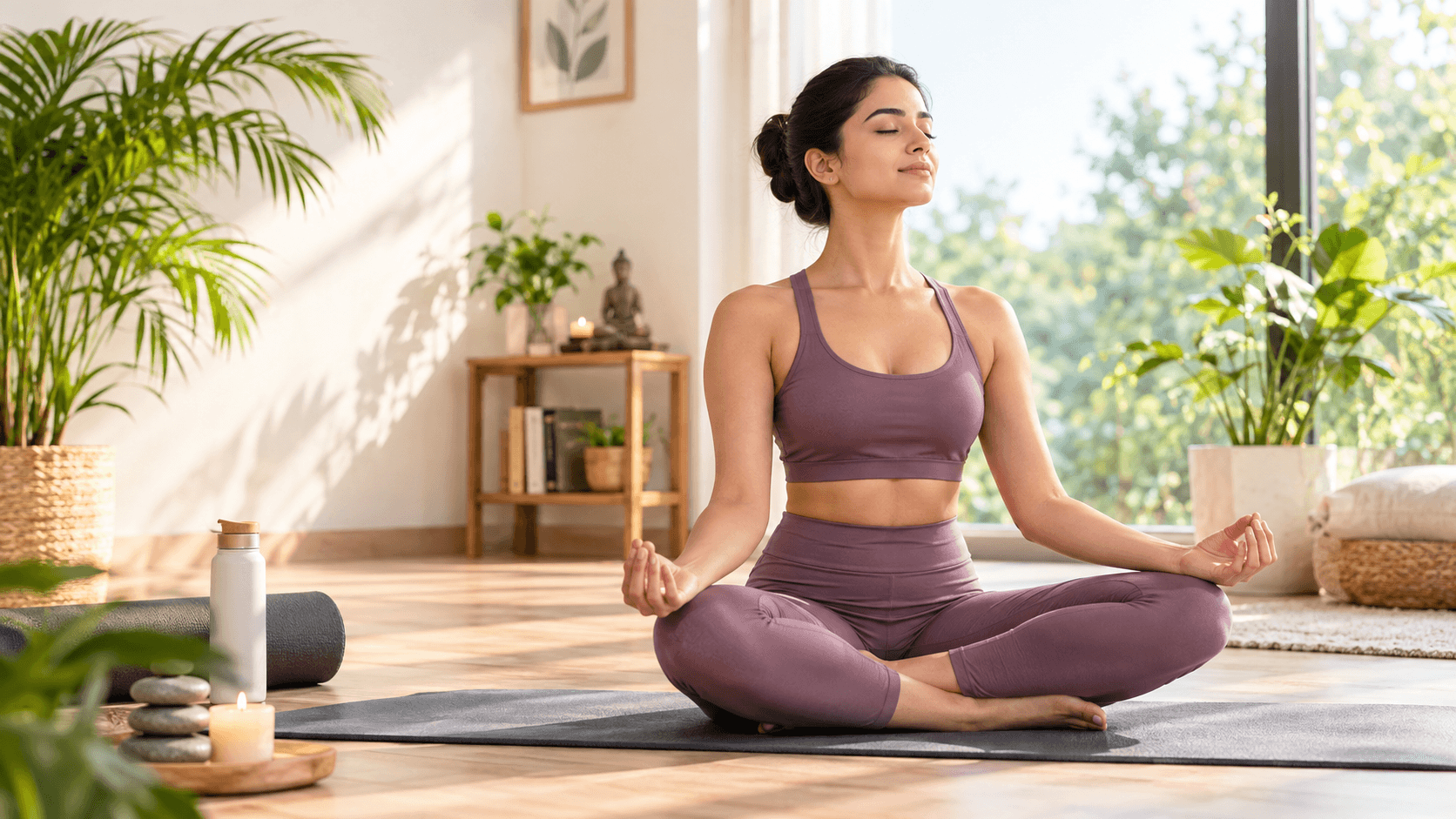
10 Benefits of Practicing Yoga Every Day for a Healthy Lifestyle
Introduction
In today's busy world, maintaining a healthy lifestyle can sometimes feel challenging. Long working hours, limited physical activity, daily stress, and poor sleep habits can affect both physical and mental well-being. This is where yoga can make a meaningful difference.
Yoga is an ancient practice that combines physical postures, breathing exercises, mindfulness, and relaxation techniques. Practicing yoga regularly can help you build a healthier relationship with your body and mind while encouraging a more balanced lifestyle.
One of the best things about yoga is that you do not need an expensive gym membership or advanced equipment to begin. Even 10–20 minutes of daily yoga can help you establish a consistent wellness routine.
In this article, we will explore the 10 benefits of practicing yoga every day and how this simple habit can support your journey toward a healthier, happier, and more balanced life.
1. Improves Flexibility and Mobility
One of the most well-known benefits of daily yoga practice is improved flexibility. Many yoga poses involve gentle stretching that gradually helps your muscles become more flexible and your joints move more comfortably.
Poses such as Downward-Facing Dog, Cat-Cow, and the Child's Pose can help stretch different areas of the body, including the back, shoulders, hips, and legs.
Regular practice may also help reduce stiffness caused by prolonged sitting or a sedentary lifestyle.
How to get started: Begin with gentle stretches and hold each comfortable position for a few slow breaths. Avoid forcing your body into a pose.
2. Helps Reduce Stress and Anxiety
Modern life often brings constant deadlines, responsibilities, and distractions. Yoga offers an opportunity to slow down, focus on the present moment, and release some of the tension that builds up throughout the day.
Breathing exercises, meditation, and mindful movement may help support relaxation and reduce perceived stress. Combining these practices can also encourage greater awareness of your thoughts and emotions.
Simple breathing techniques, such as slow and comfortable breathing, can be a useful addition to your daily routine.
How to get started: Spend five minutes practicing gentle breathing in a quiet space. Breathe naturally and avoid holding your breath or forcing deep inhalations.
3. Builds Strength and Balance
Yoga is not only about stretching. Many poses require you to support your body weight, engage your core muscles, and maintain a stable position.
Poses such as Plank, Warrior II, and Chair Pose can help develop muscular endurance and improve balance when practiced consistently.
Better balance and strength can support everyday activities, including walking, climbing stairs, and maintaining a stable posture.
How to get started: Include a few beginner-friendly standing poses and simple core exercises in your routine. Use a wall or chair for additional support when needed.
4. Supports Better Posture
Spending hours at a desk, looking at a phone, or working on a laptop can encourage poor posture and muscle stiffness.
Yoga encourages body awareness and strengthens muscles that help support the spine. Gentle chest-opening movements, back-strengthening exercises, and mindful alignment may help you develop healthier movement habits.
While yoga cannot correct every postural problem, regular practice can help you become more aware of how you sit, stand, and move.
How to get started: Try Mountain Pose, Cat-Cow, and gentle chest-opening stretches. Remember to take regular movement breaks during long periods of sitting.
5. Promotes Better Sleep
Quality sleep is essential for physical recovery, emotional well-being, and daily energy levels. However, stress and an irregular routine can make it difficult to relax at night.
Gentle yoga, relaxation exercises, and meditation may help some people improve their sleep quality by reducing tension and creating a calming bedtime routine.
Restorative poses and slow breathing can be particularly useful when your goal is to prepare your body and mind for rest.
How to get started: Practice 10 minutes of gentle stretching or relaxation before bedtime. Choose comfortable poses and avoid intense sequences if they make you feel more alert.
6. Enhances Mindfulness and Mental Clarity
Yoga encourages you to pay attention to your breathing, movements, and physical sensations. This mindful approach can help you become more aware of the present moment instead of constantly thinking about past events or future responsibilities.
Regular mindfulness practice may support concentration, emotional awareness, and a calmer approach to everyday challenges.
Taking a few minutes away from screens and distractions can also give you an opportunity to reconnect with yourself.
How to get started: Practice a short yoga sequence without checking your phone. Focus on your breathing and notice how your body feels during each movement.
7. Supports Healthy Weight Management
Yoga can be part of a balanced approach to weight management. Different styles offer different levels of physical activity, from gentle restorative sessions to more physically demanding flows.
More active forms of yoga can contribute to energy expenditure, while mindful movement may encourage greater awareness of eating habits, stress, and daily routines.
However, yoga alone is not a guaranteed weight-loss solution. Healthy weight management generally involves balanced nutrition, regular physical activity, adequate sleep, and sustainable lifestyle habits.
How to get started: Combine regular yoga with walking or other enjoyable physical activities and a balanced diet that meets your nutritional needs.
8. Encourages Healthy Breathing Habits
Breathing exercises, often called pranayama, are an important part of many yoga traditions. They encourage you to notice your breathing and practice controlled, comfortable breathing patterns.
Slow breathing may help promote relaxation and provide a simple way to manage everyday tension.
Learning to pay attention to your breath can also help you recognize when you are feeling stressed or physically uncomfortable.
How to get started: Sit comfortably and breathe gently through your nose if that feels comfortable. Allow your breathing to remain natural, and stop if you experience dizziness or discomfort.
9. Supports Joint Mobility and Everyday Movement
Regular gentle movement can help maintain mobility and make everyday activities feel more comfortable. Yoga sequences often involve moving the spine, hips, shoulders, and ankles through controlled ranges of motion.
For people who spend much of the day sitting, gentle yoga can provide a welcome opportunity to move and stretch.
The right routine depends on your fitness level, age, mobility, and individual needs. Yoga should feel manageable rather than painful.
How to get started: Begin with gentle movements such as ankle circles, shoulder rolls, Cat-Cow, and supported standing poses. Adapt or skip movements that cause pain.
10. Encourages a Balanced and Healthy Lifestyle
Perhaps one of the most valuable benefits of practicing yoga every day is the way it can encourage consistency and self-awareness.
Making time for yoga may inspire you to pay more attention to other aspects of your well-being, including sleep, nutrition, movement, relaxation, and time spent away from digital distractions.
Yoga can also become a personal routine that helps you pause, reflect, and approach the day with greater intention.
You do not need to practice for an hour to benefit from this habit. The most useful routine is one that fits your lifestyle and feels sustainable over time.
How to get started: Choose a regular time for yoga, even if it is only 10 minutes in the morning or evening. Focus on consistency rather than perfection.
How to Start a Daily Yoga Routine
If you are new to yoga, the best approach is to begin slowly and build your practice over time.
Here is a simple 15-minute beginner-friendly routine:
2 minutes: Comfortable breathing and relaxation.
3 minutes: Gentle neck, shoulder, and spine movements.
4 minutes: Cat-Cow and other comfortable stretching poses.
3 minutes: Beginner-friendly standing poses for balance and strength.
3 minutes: Child's Pose or another comfortable relaxation position.
Adjust the routine according to your ability and comfort. You can gradually increase the duration as your confidence improves.
The goal is not to perform every pose perfectly. It is to create a regular practice that supports your well-being.
Tips for Making Yoga a Daily Habit
Building a consistent yoga routine does not have to be complicated. These simple tips can help you stay motivated:
Start small: Begin with five to ten minutes instead of setting an unrealistic goal.
Choose a convenient time: Practice in the morning, during a break, or before bedtime.
Create a comfortable space: Find a quiet area where you can move safely.
Listen to your body: Adapt poses to your abilities and avoid pushing through pain.
Explore different styles: Try gentle yoga, Hatha yoga, restorative yoga, or beginner-friendly flows.
Track your consistency: Use a calendar or journal to celebrate the habit of showing up.
Be patient: Flexibility, strength, and comfort develop at different rates for different people.
Remember that yoga is a personal practice. Comparing your progress with others can take attention away from your own needs and goals.
Is It Safe to Practice Yoga Every Day?
For many people, gentle yoga can be practiced regularly when the routine is appropriate for their fitness level and physical needs. However, more practice is not always better.
Choose poses that feel comfortable, use modifications when necessary, and give your body time to recover after challenging sessions.
If you have an existing injury, a medical condition, balance difficulties, or concerns about particular movements, consult a qualified healthcare professional or an appropriately trained yoga instructor before beginning. Stop any movement that causes sharp pain, dizziness, or unusual discomfort.
Yoga should complement a healthy lifestyle rather than replace medical treatment or other forms of physical activity when those are needed.
Frequently Asked Questions (FAQs)
1. What are the main benefits of practicing yoga every day?
Daily yoga practice may help improve flexibility, muscular strength, balance, stress management, mindfulness, and sleep quality. Results vary depending on the individual and the type and frequency of practice.
2. How many minutes of yoga should I practice daily?
Beginners can start with 5–15 minutes a day and gradually increase the duration if comfortable. Even a short, consistent session can be a useful way to establish a routine.
3. Is yoga suitable for beginners?
Yes. Many yoga styles offer beginner-friendly poses and modifications. Starting with gentle movements and learning proper alignment can help make the practice more comfortable.
4. Can yoga help reduce stress?
Yoga combines movement, breathing, and mindfulness, which may help reduce perceived stress and encourage relaxation. It can complement other approaches to mental well-being.
5. Is morning or evening better for yoga?
Both can work well. Morning yoga may help you establish a positive start to the day, while gentle evening yoga may help you unwind. Choose a time that suits your schedule and personal preferences.
6. Can yoga help with weight management?
Yoga can contribute to an active lifestyle and may support mindful habits. For sustainable weight management, it is best combined with balanced nutrition, adequate sleep, and other suitable physical activities.
7. Do I need equipment to practice yoga at home?
You can begin with comfortable clothing and a safe, non-slip surface. A yoga mat, blocks, or a strap can provide additional comfort and support, but expensive equipment is not essential for every beginner routine.
Conclusion
The 10 benefits of practicing yoga every day demonstrate how a simple, consistent routine can support a healthier lifestyle. From improving flexibility and balance to encouraging relaxation, mindfulness, and better sleep, yoga offers a range of potential benefits for both physical and mental well-being.
You do not need to be flexible, experienced, or particularly athletic to begin. Start with a few gentle movements, listen to your body, and gradually develop a routine that works for you.
A healthier lifestyle is built through small, sustainable choices. By making time for yoga, you can create an opportunity to move mindfully, manage everyday stress, and invest in your overall well-being.
Start your yoga journey today with Pure Lifestyle Yoga and take
one small step toward a healthier, more balanced life.
Enjoy writing like this?
Considered pieces on practice and wellbeing — never a marketing blast.