

4 July 2026 · 5 min read
Understanding Anxiety Through the Lens of the Breath |A Pure Lifestyle Yoga Guide to Breath, Nervous System Balance & Inner Calm
By Pure Lifestyle Yoga
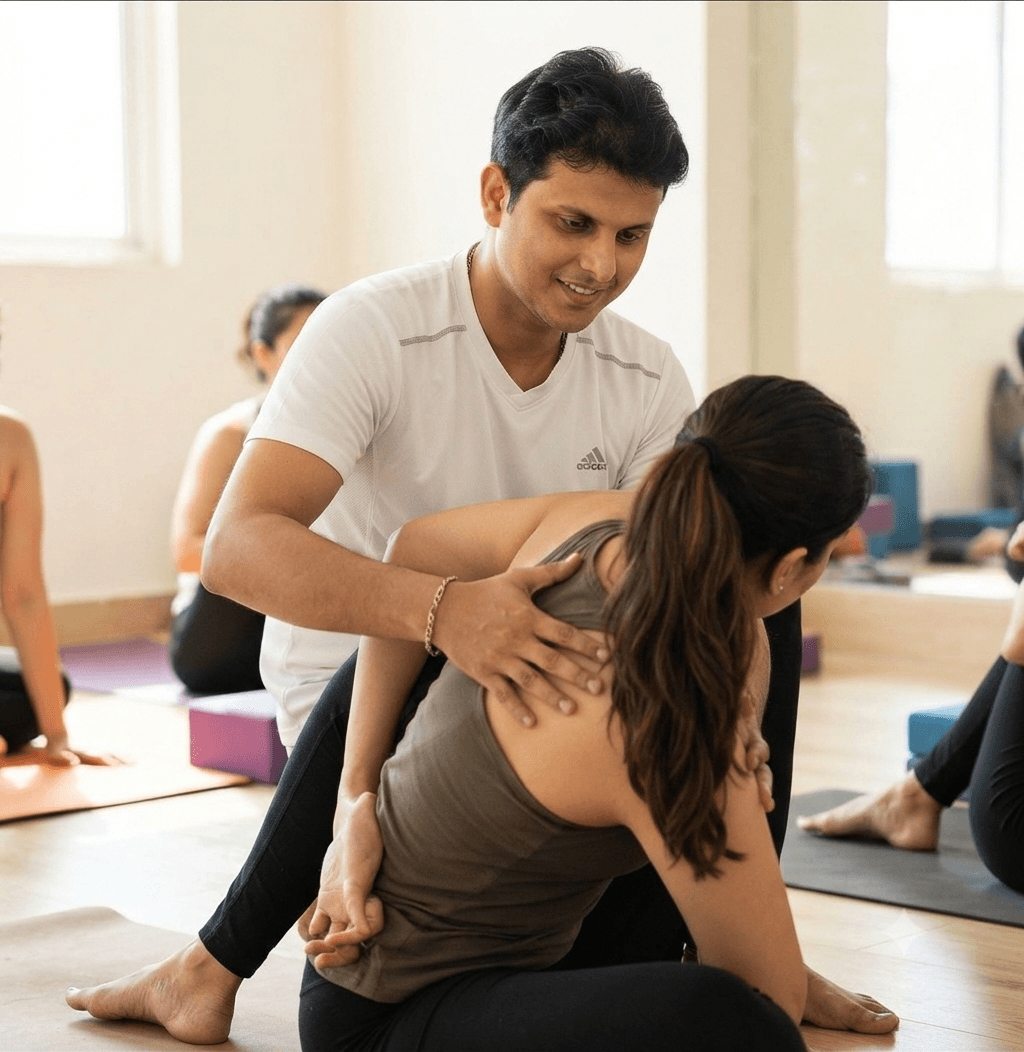
Take a moment right now. Notice your breath — is it shallow and quick, sitting high in your chest? Or slow, deep, and settled low in your belly? That one detail says more about your nervous system than you might expect. Anxiety and breath are in constant conversation, and learning to listen to that conversation is one of the most accessible forms of anxiety relief available to us — no equipment, no appointment, just attention.
The Breath–Brain Connection
Your nervous system runs on two settings: the sympathetic branch, which prepares you to fight, flee, or freeze, and the parasympathetic branch, which allows you to rest, digest, and recover. Anxiety is, in essence, a sympathetic state that has overstayed its welcome. What makes breath so powerful is that it is the one function of the autonomic nervous system we can consciously influence — a direct, physical dial between mind and body.
The vagus nerve, a long nerve running from your brainstem through your chest and abdomen, plays a central role here. Slow, deep breathing stimulates this nerve and signals safety to the brain, gently guiding the body out of high alert. This is the biological foundation behind mindful breathing, pranayama, and nervous system regulation — practices that Mindset, Breathwork & Mental Peace as a pillar is built around.
How Anxious Breathing Differs From Calm Breathing
Anxiety has a distinct breathing signature — one the body often falls into automatically, long before the mind consciously registers stress. Recognising the pattern is the first step toward changing it.
Aspect Anxious Breathing Calm, Regulated Breathing
Breathing rate
Fast, shallow (15–20+
breaths/min)
Slow, steady (6–10 breaths/min)
Breath location
High in the chest
Low in the belly (diaphragmatic)
Nervous system state
Sympathetic (fight-or-flight)
Parasympathetic (rest-and-digest)
Felt experience
Tightness, racing thoughts,
tension
Ease, clarity, emotional balance
Why Conscious Breathwork Works
This is where breathwork and yoga for anxiety meet science. Practices rooted in pranayama — the yogic study of breath — deliberately lengthen the exhale, slow the rate of breathing, and shift the point of breath from the chest to the diaphragm. Over time and with consistent practice, this can support a felt sense of stress management and emotional balance, helping the body move out of chronic high-alert mode and into steadier ground. It's important to hold this gently: breathwork is a supportive tool for mental wellness, not a replacement for professional care when anxiety is persistent or severe.
Practical Breathing Techniques You Can Try Today
1. Box Breathing (Sama Vritti)
● Inhale slowly through the nose for a count of 4
● Hold the breath gently for a count of 4
● Exhale slowly through the nose for a count of 4
● Hold empty for a count of 4, then repeat for 4–6 rounds
2. The 4-7-8 Breath
● Inhale quietly through the nose for 4 counts
● Hold the breath for 7 counts
● Exhale fully through the mouth for 8 counts
● Repeat for 3–4 cycles, especially helpful before sleep
3. Bhramari (Humming Bee Breath)
● Close your eyes and gently plug your ears with your thumbs.
● Inhale deeply, then exhale while making a soft humming sound,
● Feel the vibration settle the mind; repeat 5–7 times
4. Nadi Shodhana (Alternate Nostril Breathing)
● Close the right nostril, inhale slowly through the left
● Close the left nostril, exhale through the right
● Inhale through the right, switch, and exhale through the left
● Continue this alternating cycle for 2–3 minutes
Key Takeaways
● Breath and the nervous system are in constant dialogue — anxiety changes how you breathe, and how you breathe can change your state
● Anxious breathing tends to be fast, shallow, and chest-based; calm breathing is slow, deep, and diaphragmatic
● Simple techniques like box breathing, 4-7-8, Bhramari, and Nadi Shodhana are accessible entry points into breathwork
● Mindful breathing supports mental wellness and emotional balance — it works best alongside professional support, not instead of it
● Yoga for anxiety works because it combines the breath, the body, and the mind into one steady, repeatable practice
Frequently Asked Questions
Q. Can breathwork really help with anxiety?
A. Conscious, slow breathing can support the body's natural calming response by stimulating the parasympathetic nervous system. It's a helpful, evidence-informed tool for stress management — though it works best as part of a broader approach to mental wellness, including professional guidance where needed.
Q. How often should I practice these techniques?
A. Even a few minutes daily makes a difference. Many people find it helpful to practice during calm moments first, so the pattern feels familiar when anxiety does arise.
Q. Is pranayama safe for beginners?
A. Yes — techniques like box breathing and Bhramari are gentle and beginner-friendly. If you have a respiratory or cardiovascular condition, it's wise to check with a healthcare provider first.
Q. What's the difference between breathwork and meditation?
A. Breathwork focuses specifically on regulating the pattern of breath, while meditation is a broader mindfulness practice. The two overlap beautifully and are often practiced together in yoga.
Conclusion: Coming Home to the Breath
Anxiety can feel like it hijacks the mind, but so often it begins in the body — in a breath that has quietly become shallow, fast, and guarded. You don't need to overhaul your life to feel steadier; you need only return, again and again, to a slower inhale and a longer exhale. That is the quiet, repeatable work of holistic wellness — and it's a practice Pure Lifestyle Yoga would be glad to walk alongside you on.
Enjoy writing like this?
Considered pieces on practice and wellbeing — never a marketing blast.